Zakho, Northern Iraq (Kurdistan), Saturday 21 November 2015. 11.25am: Wedged in between huge trucks, hooting on all sides.
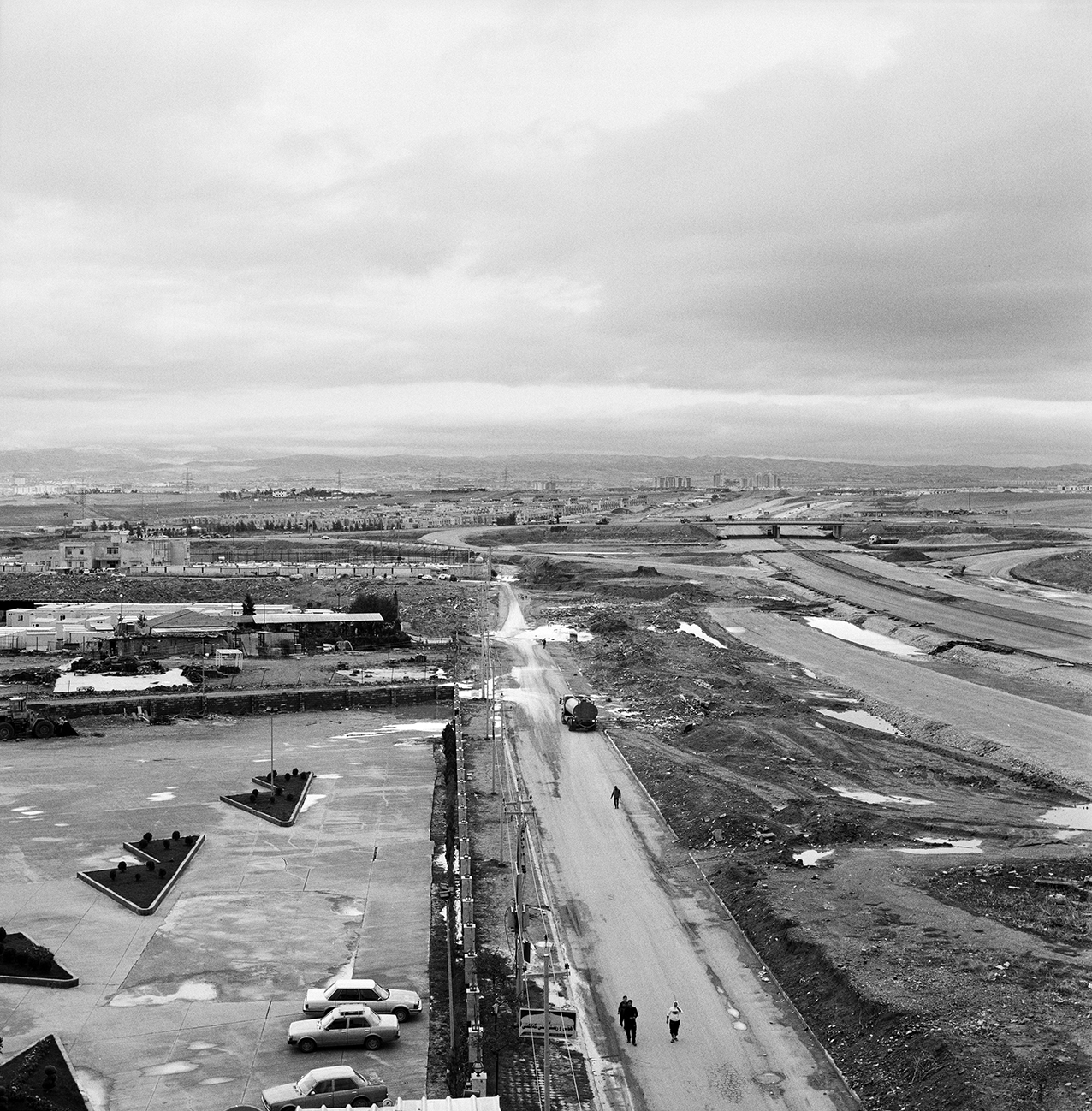
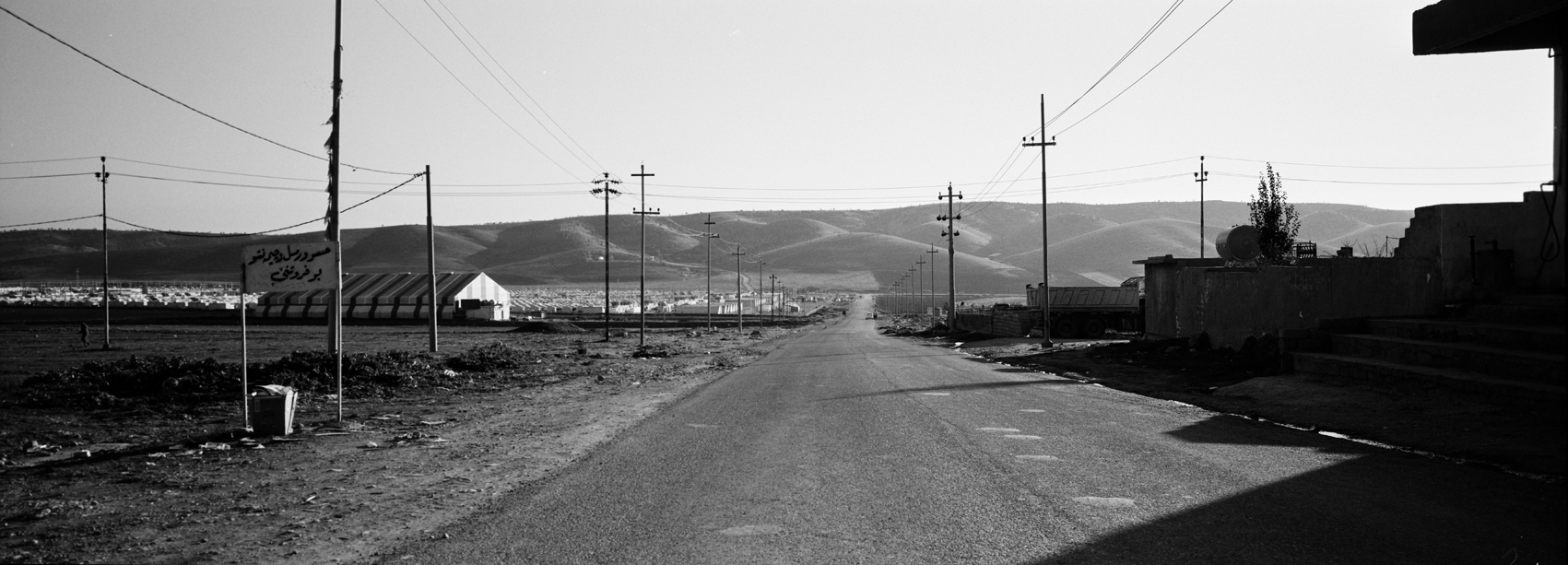
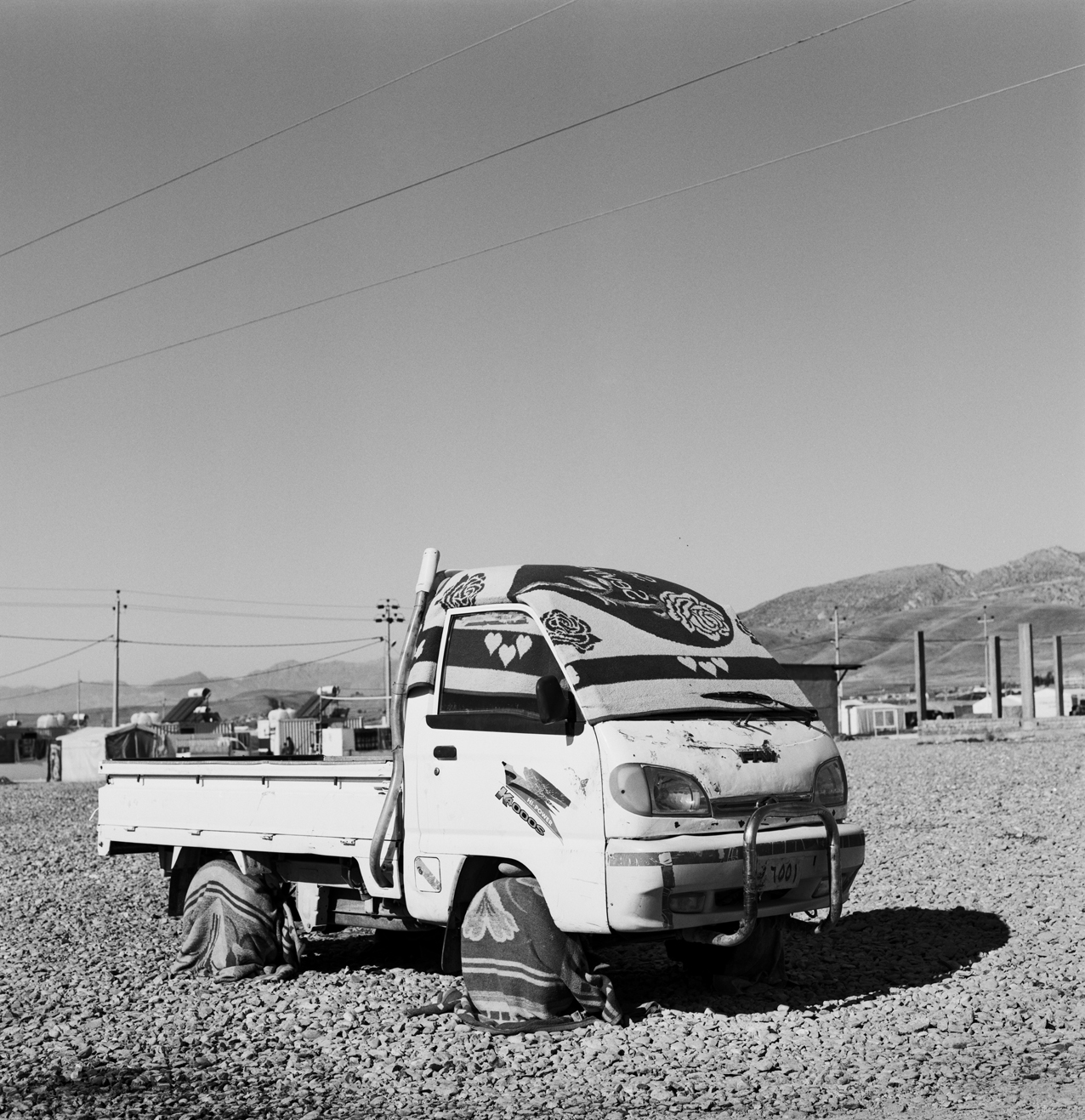
"Daech! Nineveh!" my chauffeur says, pointing to the distance. A land of dust; low mountains hidden in haze; a spurt of flame and smoke marks an oil field; Haisam shouts "Mosul!", pointing to the white prefabricated clusters of a refugee camp. I understand these people are from the town currently occupied by terrorists. "Alquosh…" Haisam points solemnly, and makes the sign of the cross. He too, was forced to flee his home-town. Fields freshly ploughed; cows on a patch of land by a river; unfinished constructions…
I had been in Iraq for a week by now and was tantalisingly close to Sinjar, where the French TF1 TV crew was witnessing the uncovering of Yazidi mass-graves. The Peshmergas had only days before managed to regain possession of the town, held for fifteen months by Daech. The road to Sinjar was closed and heavily guarded; no chance of getting there without an official pass. I later managed to catch up with the journalists and their fixer at the Sheraton in Duhoc, where they were staying. I think they were the only clients in the gleaming and echoing hotel, where I saw the gruesome footage they were editing. One image in particular stuck in my mind: a large pile of freshly-dug soil with a soldier holding up a rotting head by the remnants of its long ponytail…
By the time we arrived in Zakho, it occurred to me that perhaps I had been rather bold in coming without any contact. I had hoped it would be easy to find the Yazidi refugees, but I had no idea where their exact location was. I needed help, so I called the cousin and asked him to tell Haisam to take me to the nearest church. Guided by the Arab telephone-wire and the rosary hanging from his rear-view mirror, he rapidly found Nasara, the Christian quarter, complete with church. The gate was open and we went in, and I spoke to a young man called Fadi who was working as teacher for NGO Caritas. He was busy until 5pm. Could I wait ? When his classes were over, Fadi took me to the Chaldean Bishopric, where I was to meet Father Johhny Dawad, who would obtain for me (or not) the permission I needed to get into the refugee camps.
I was shown into a large neon-lit room with a desk at the far end and brown leather armchchairs lining the walls on both sides. At the desk was seated a large man with black eyes, short-cut hair and fat cheeks. He did not smile. Suddenly, my mouth went dry. I hoped my face was not oily and shining. Then the interrogation began… Father Johnny spoke English and asked me all about myself, his dark eyes boring into me. Ah, so you were born in Africa… Father Johnny’s questions were not simple. Was I married? Why not? And why did the French government allow inter-religious marriages? And would I, personally, be able to consider marrying a non-Christian? I squirmed before his pallid, inexpressive face, my reptilian instinct telling me that too much frankness would jeopardise my mission. In all fairness, it must have been an unusual scenario, a single white female travelling alone through this land. Then suddenly, it was over. Father Johnny offered me his hospitality and I was given a large private bedroom with en-suite bathroom in the bishopric, complete with wireless internet and some very bloodthirsty mosquitoes. He organised accommodation for my chauffeur and gave me a place at his table for dinner.
Bersawa Refugee Camp, Iraqui Kurdistan, Sunday 22 November 2015
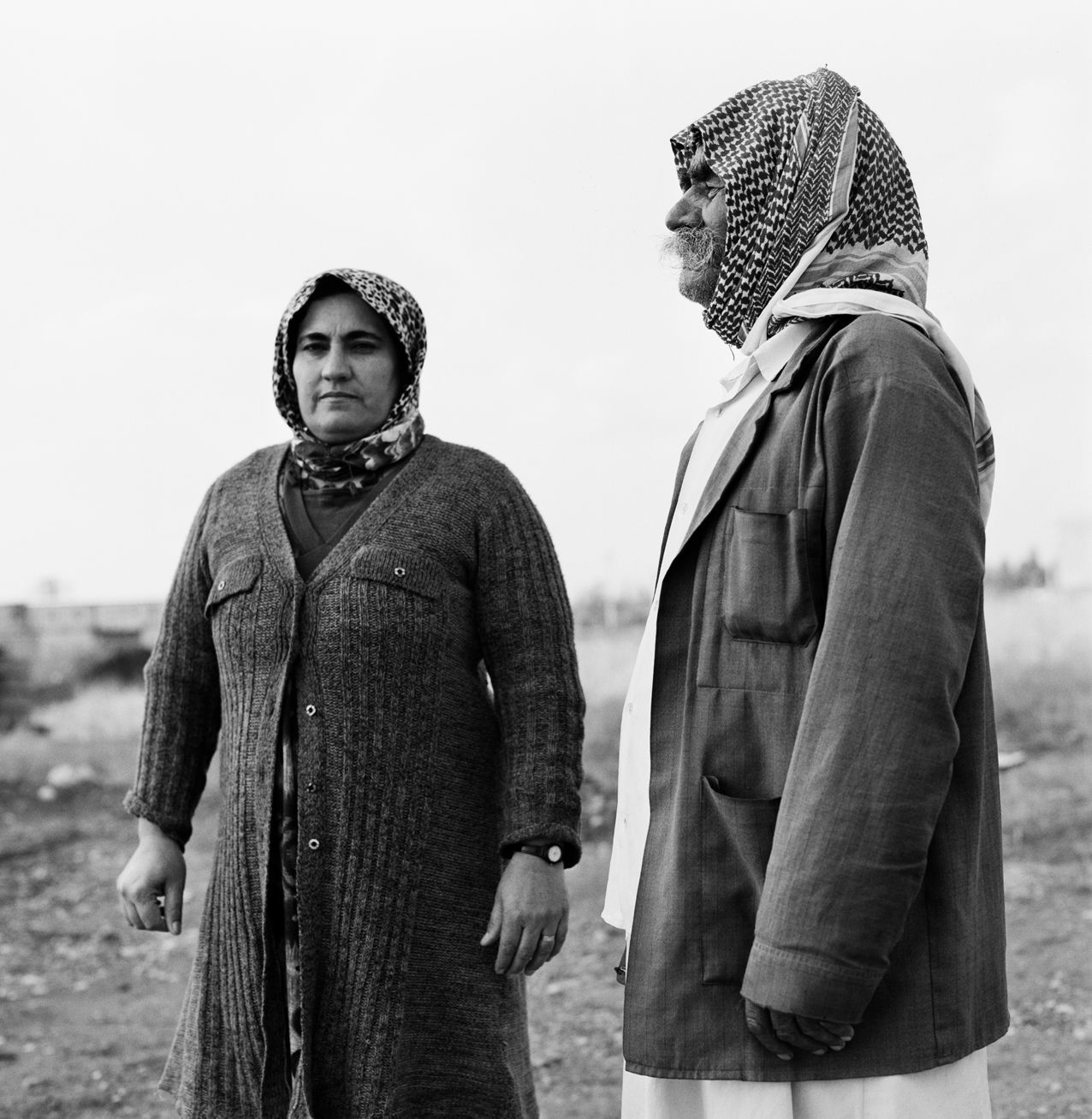
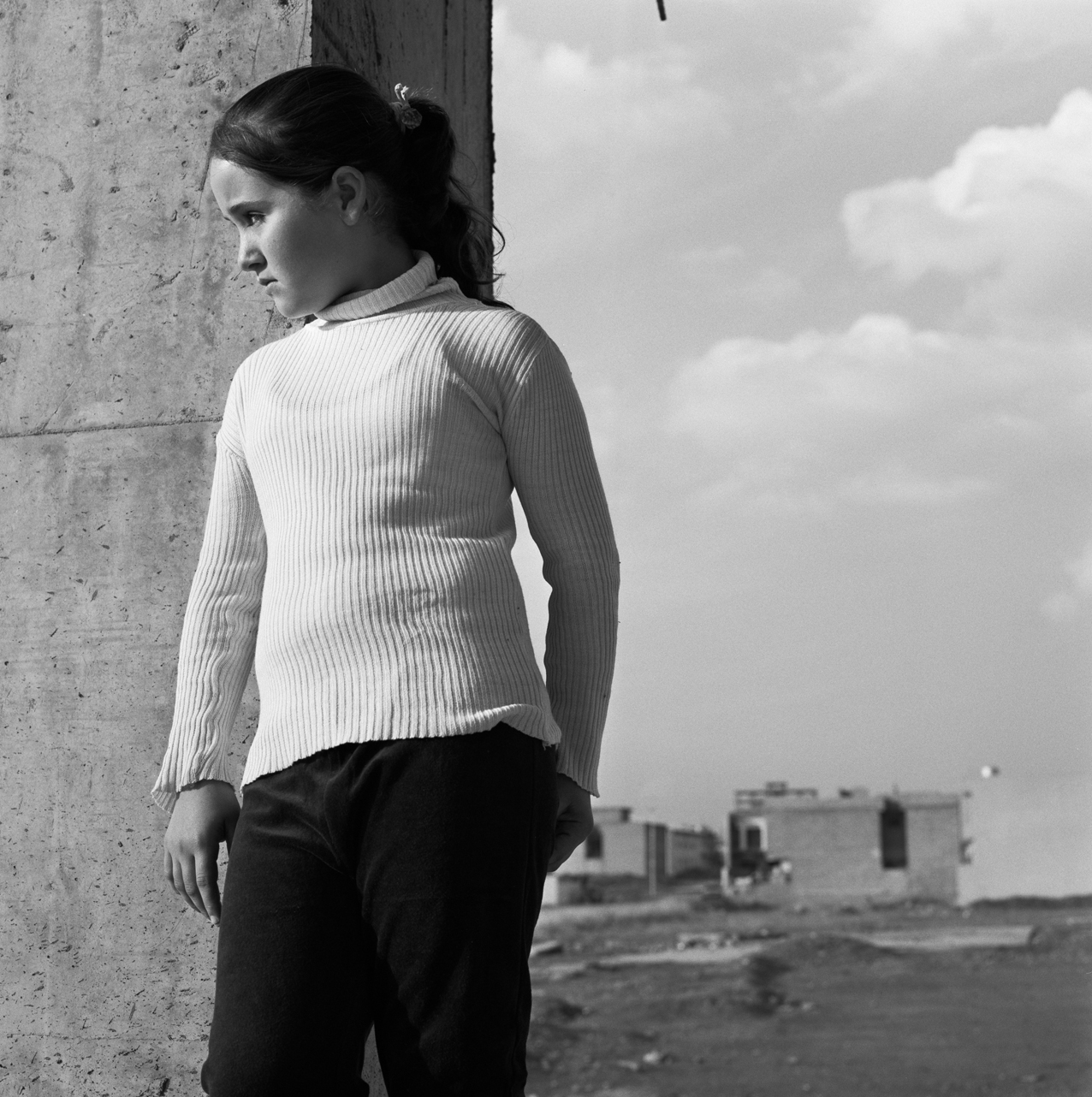
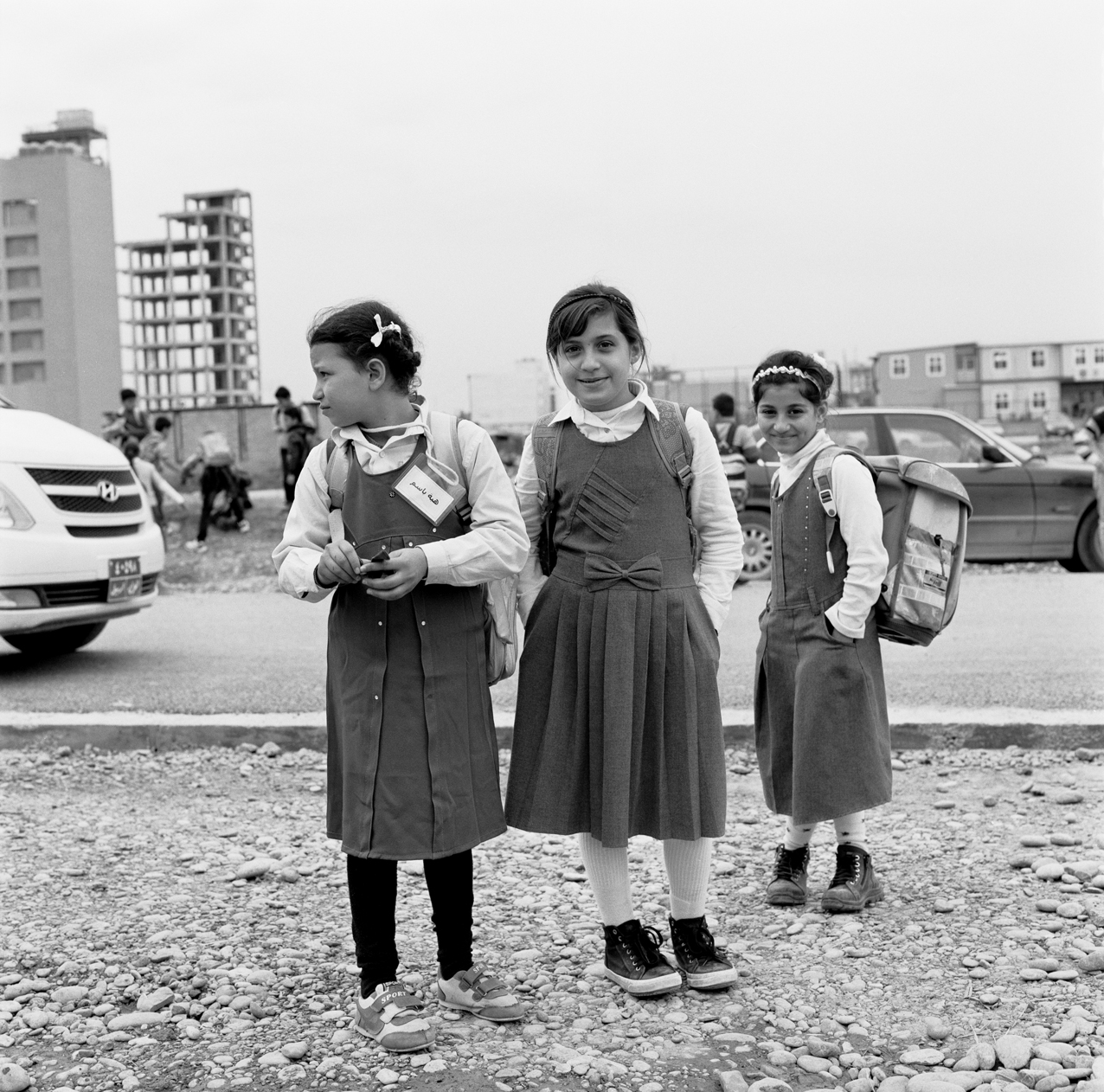
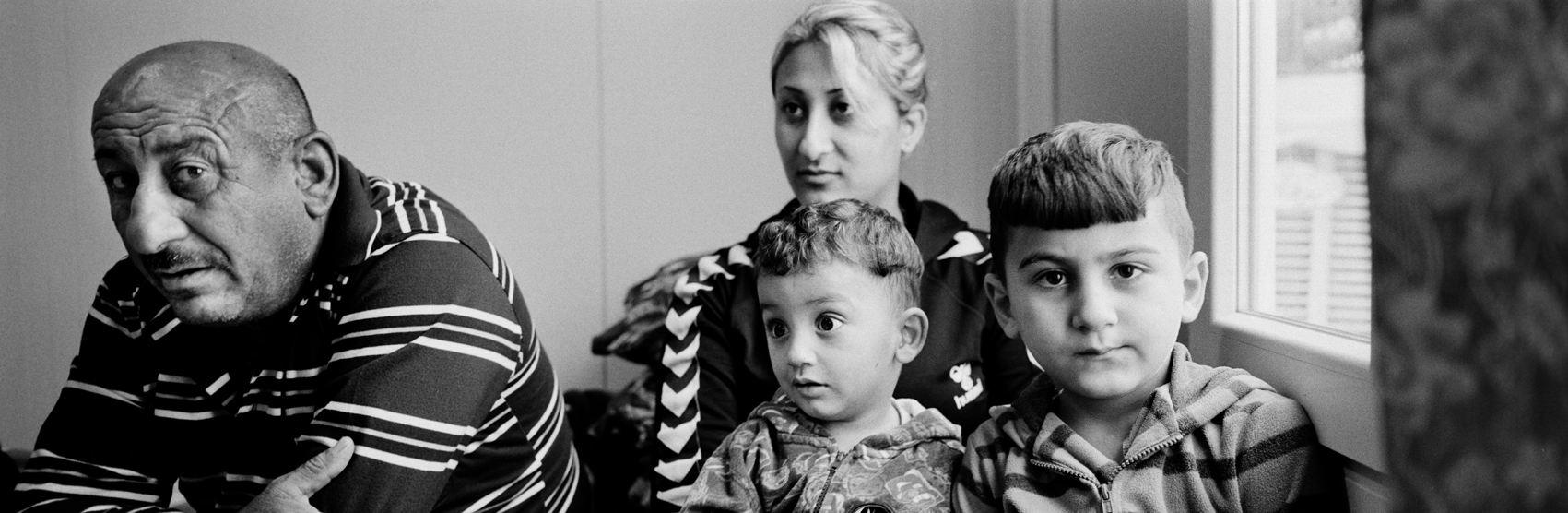
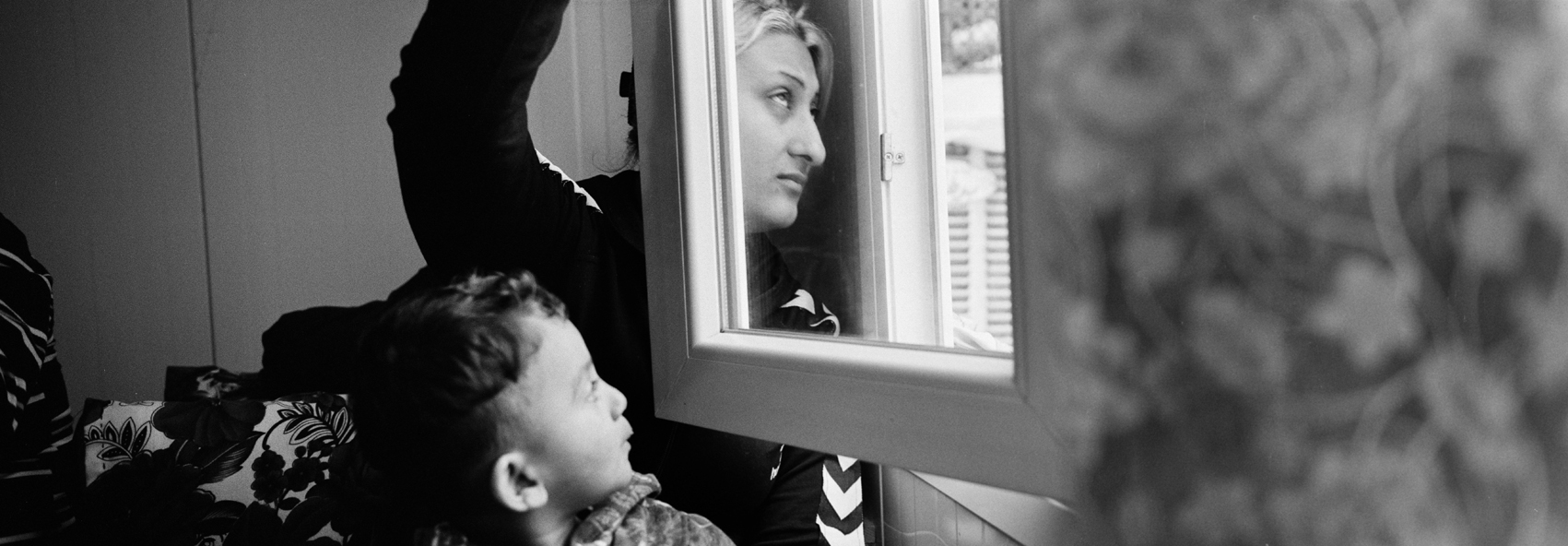
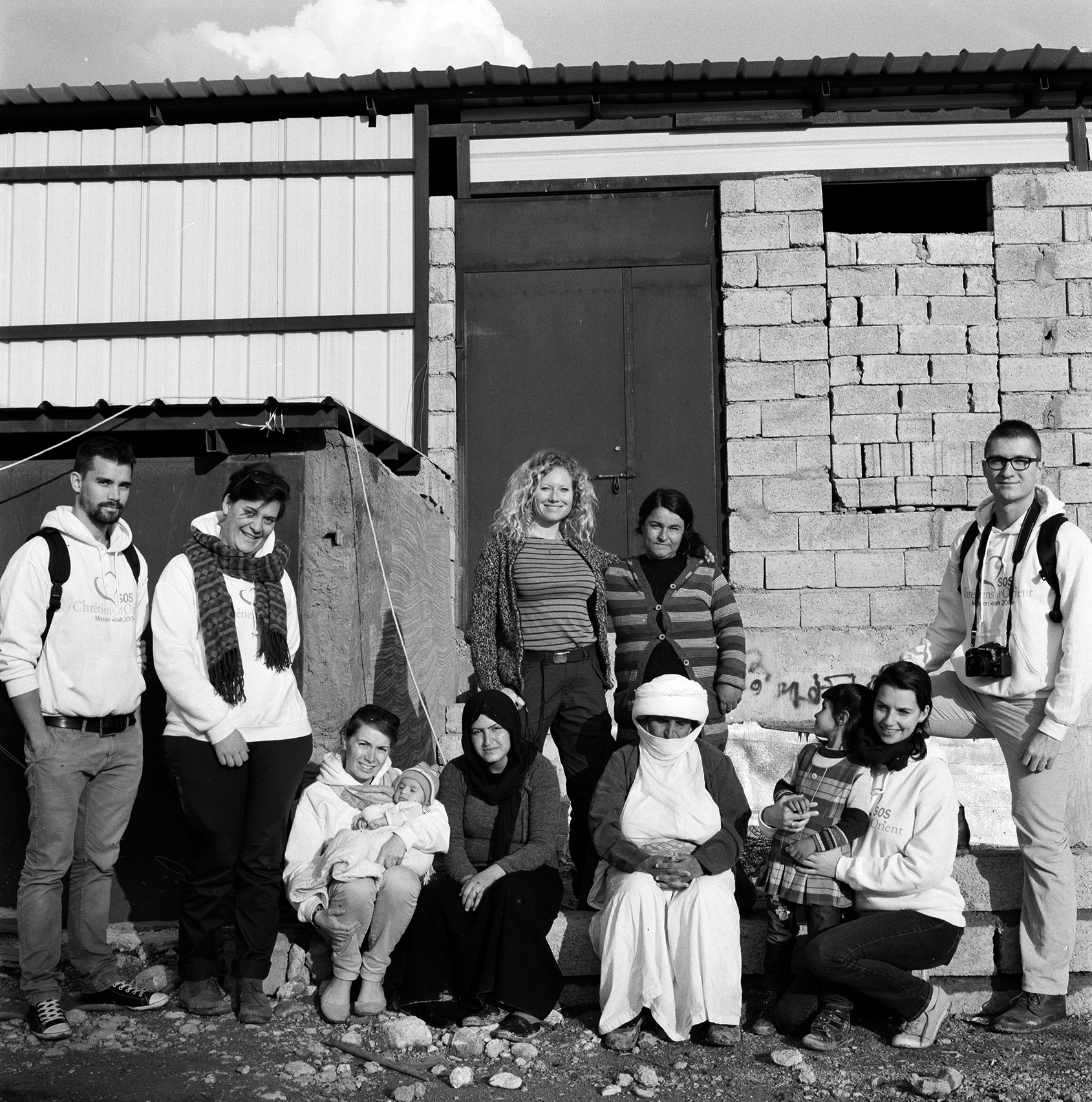
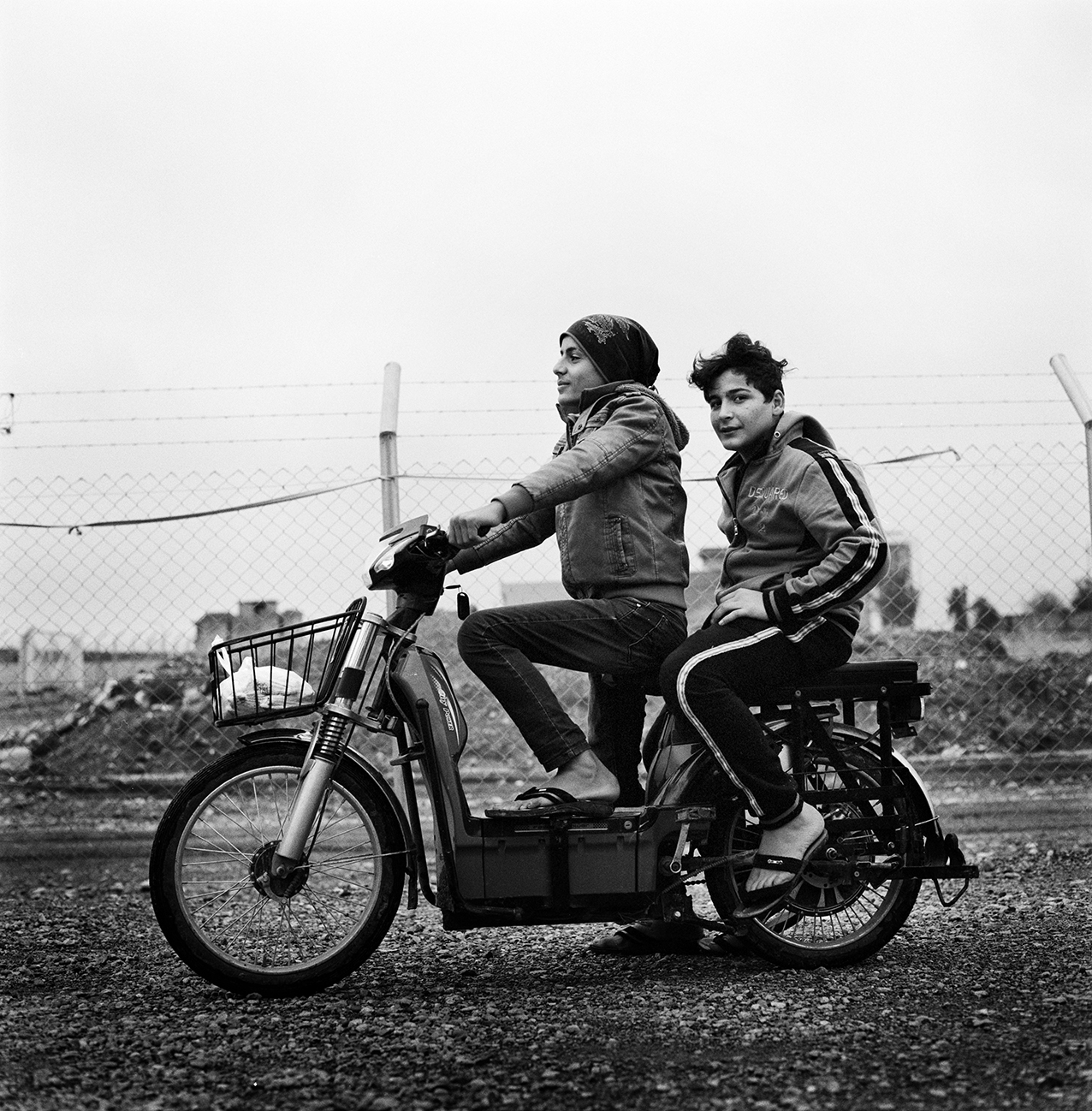
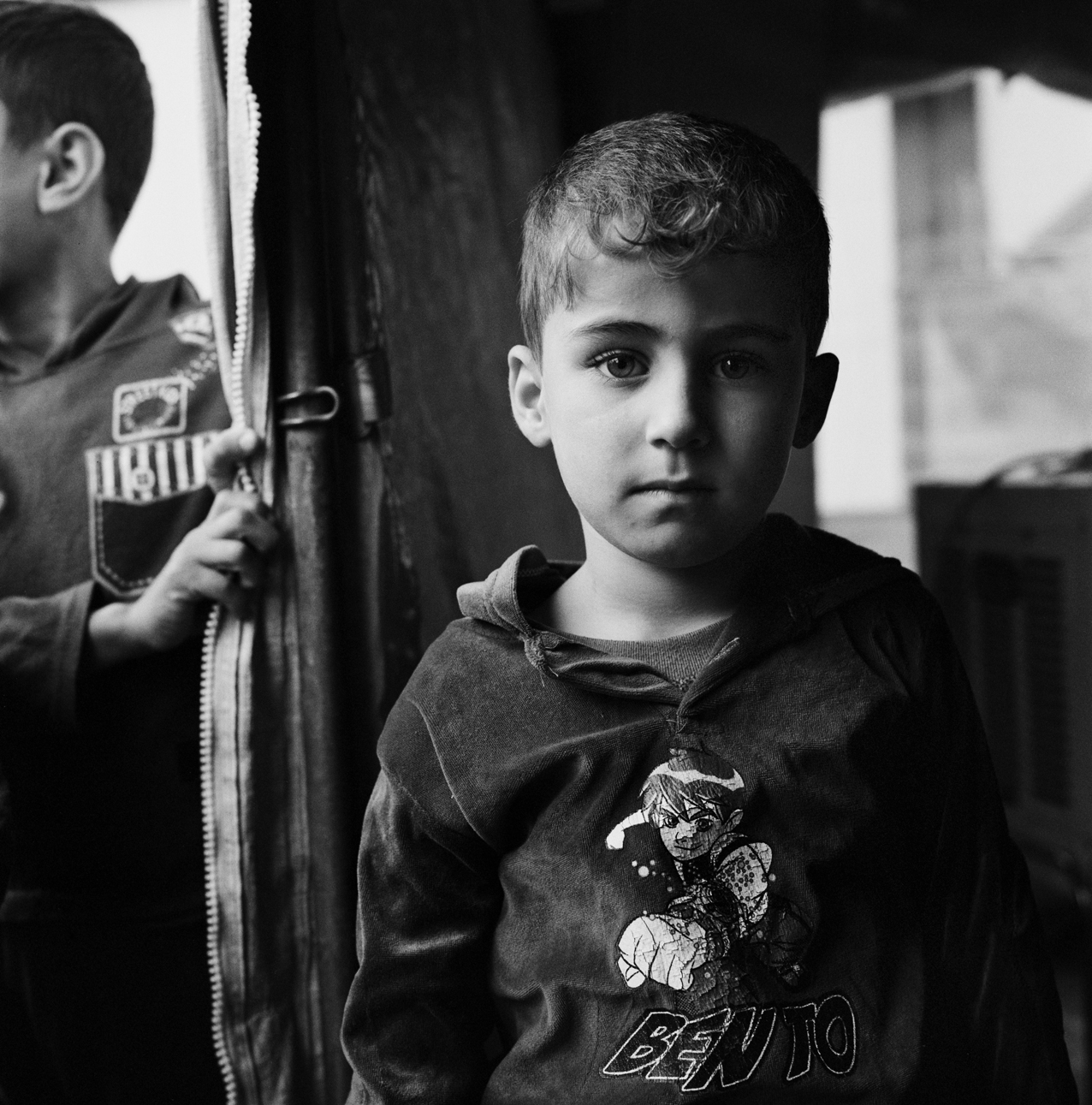
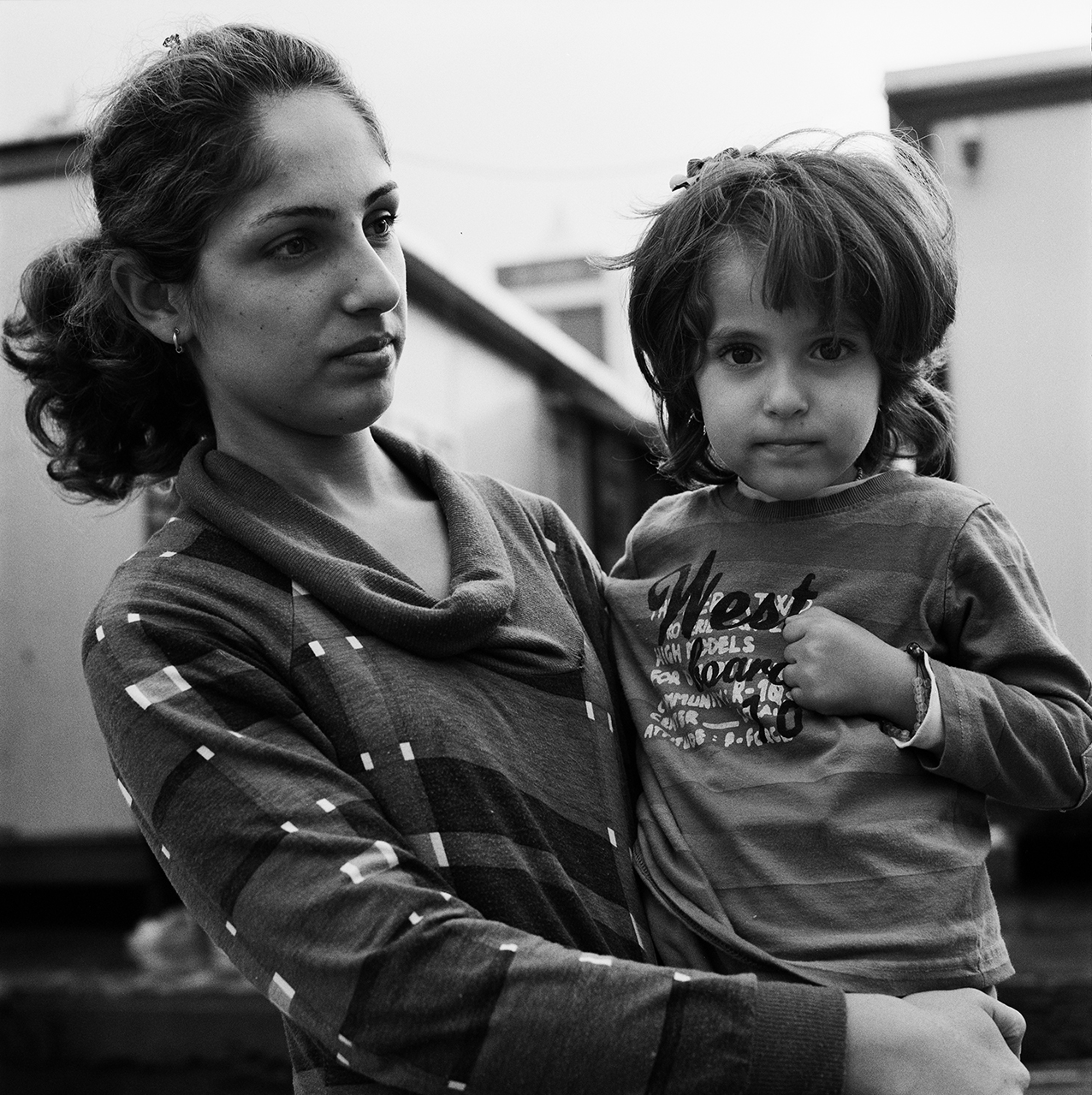
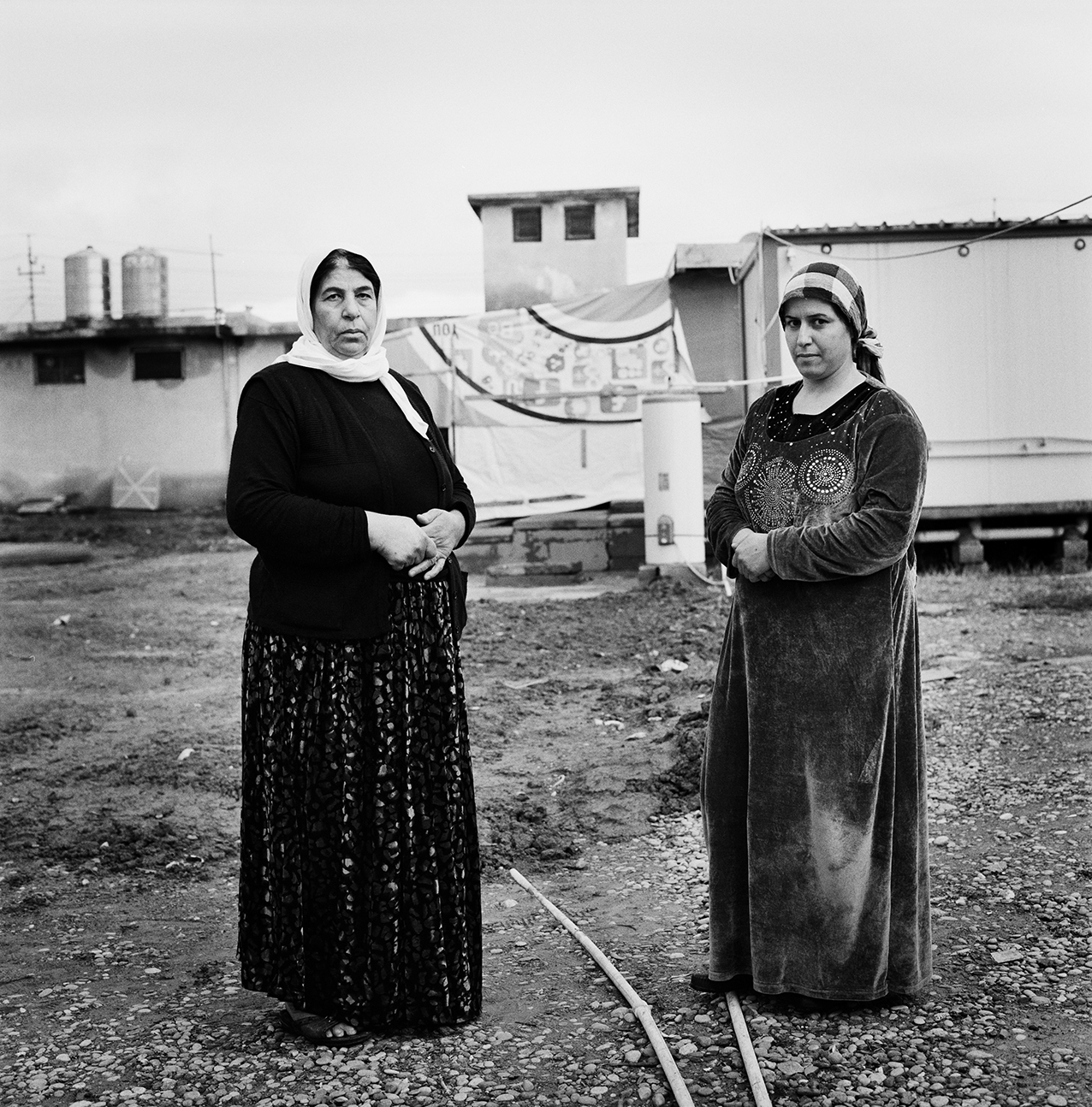
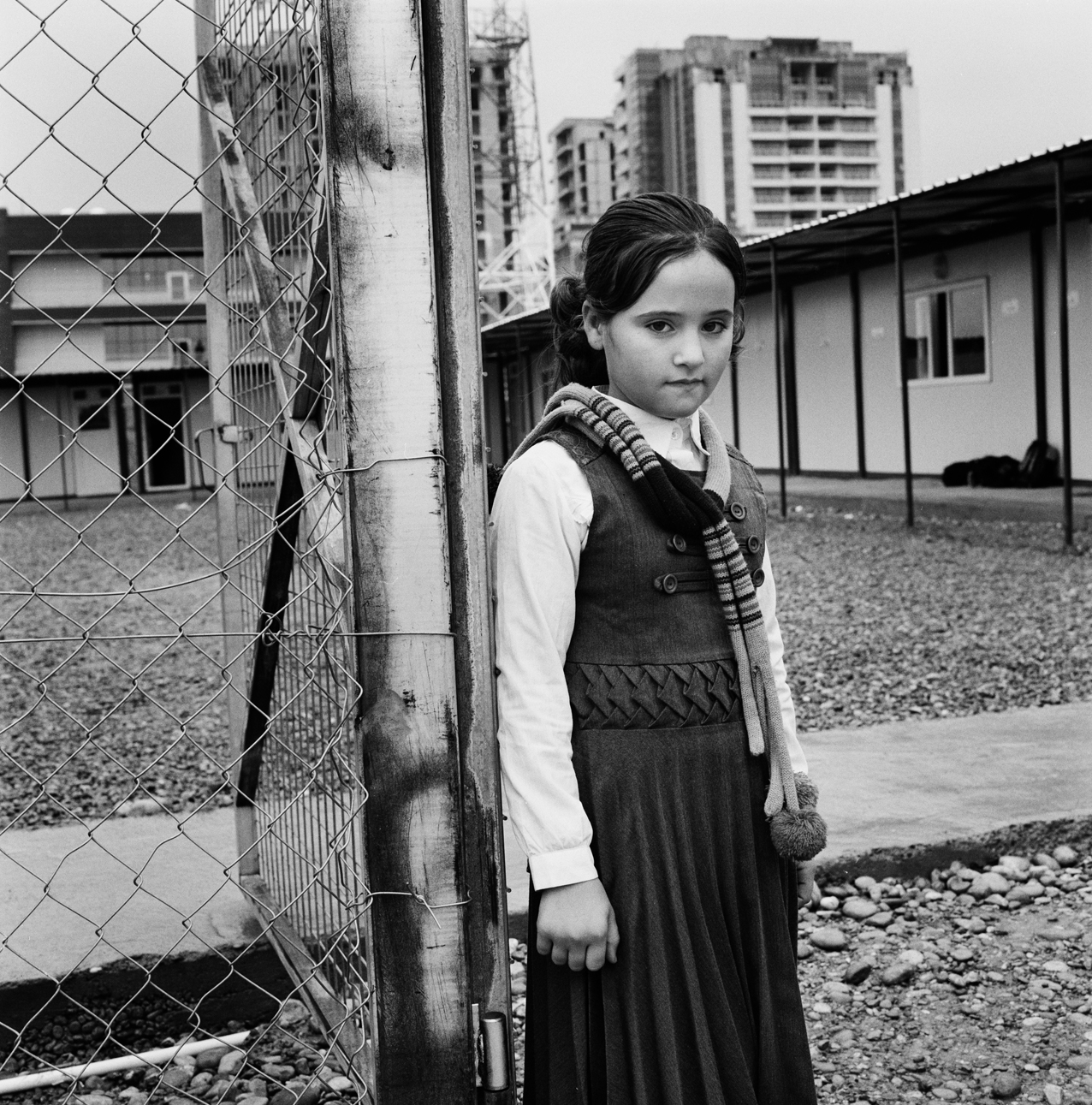
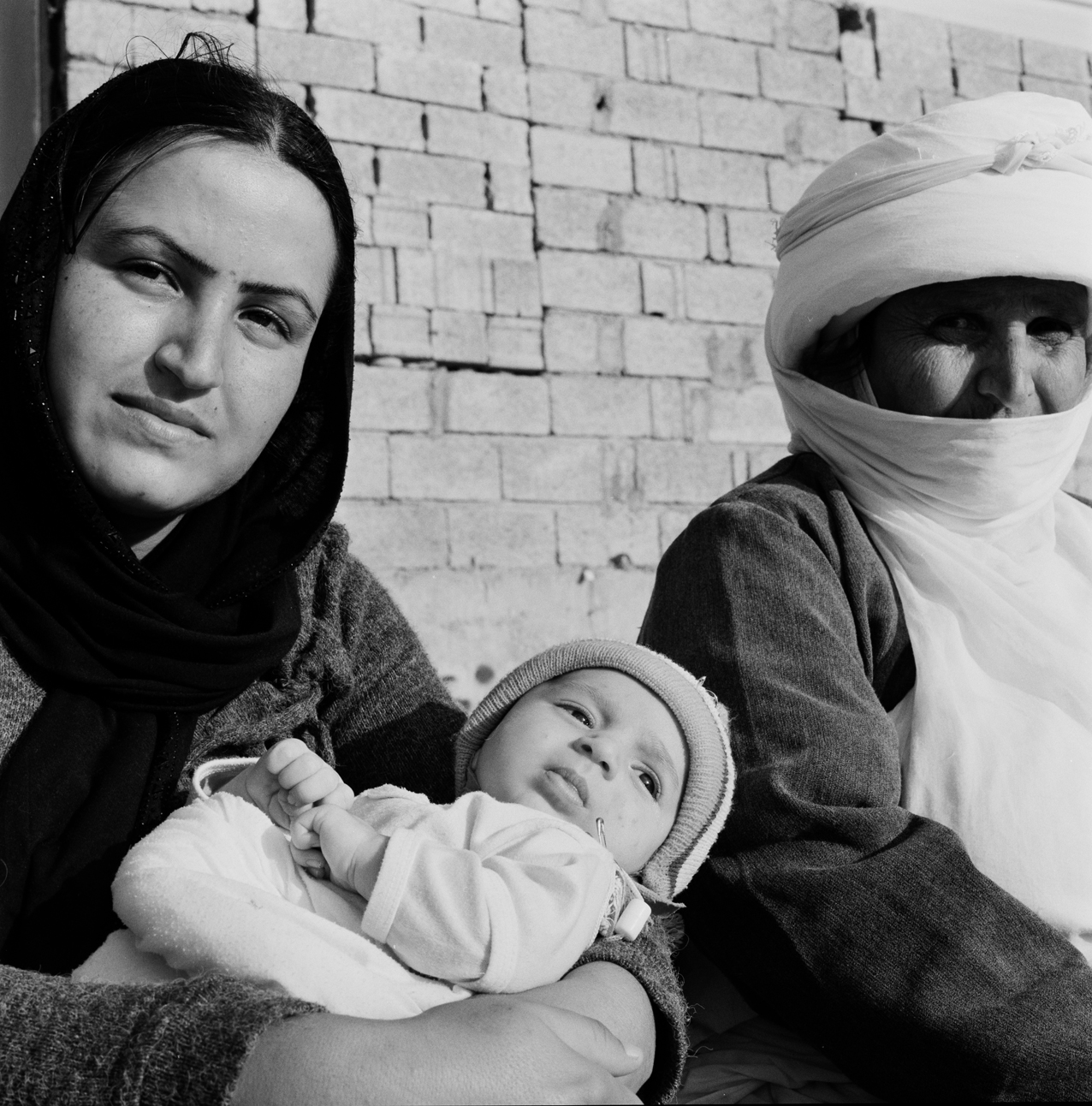
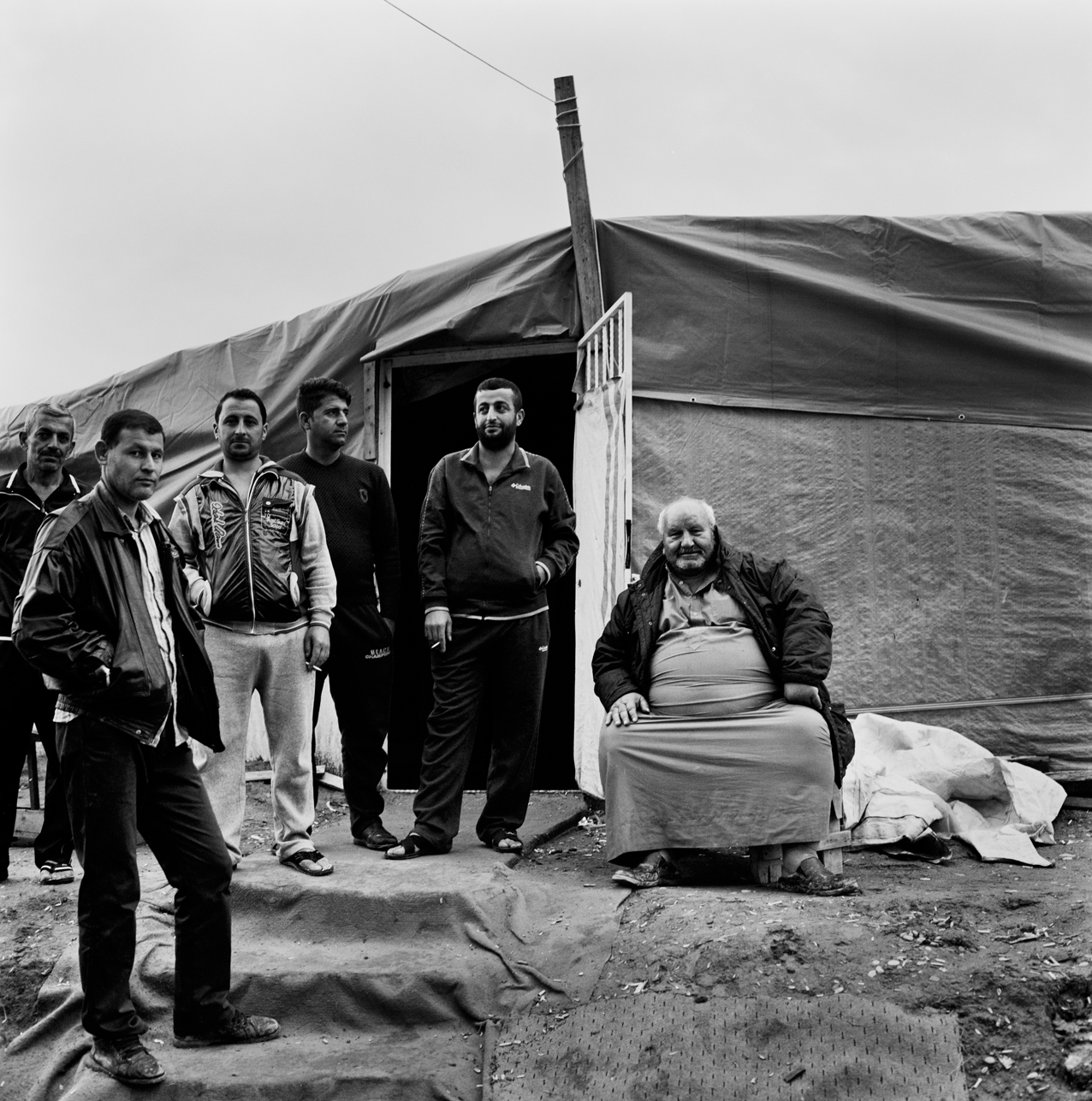
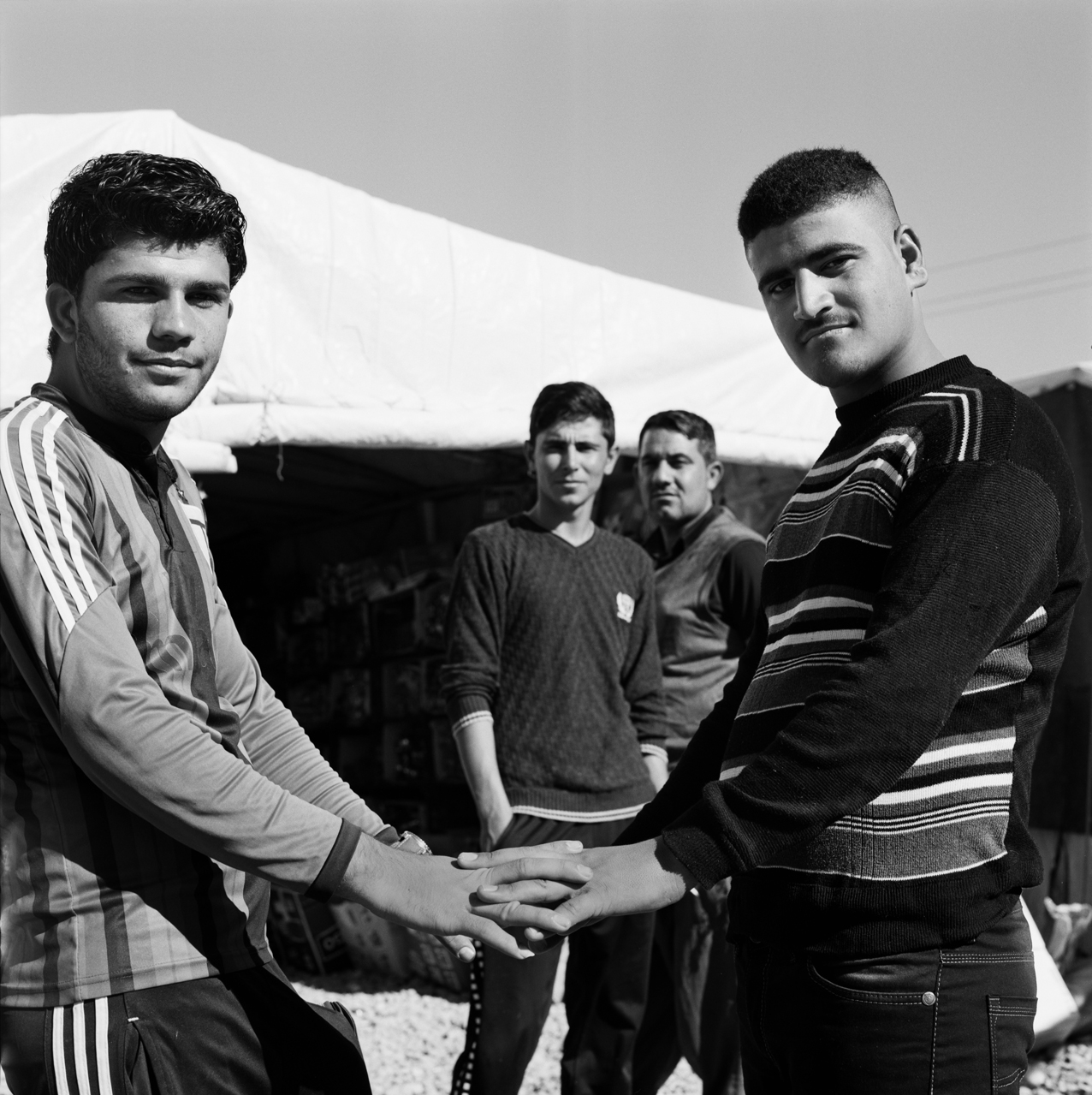
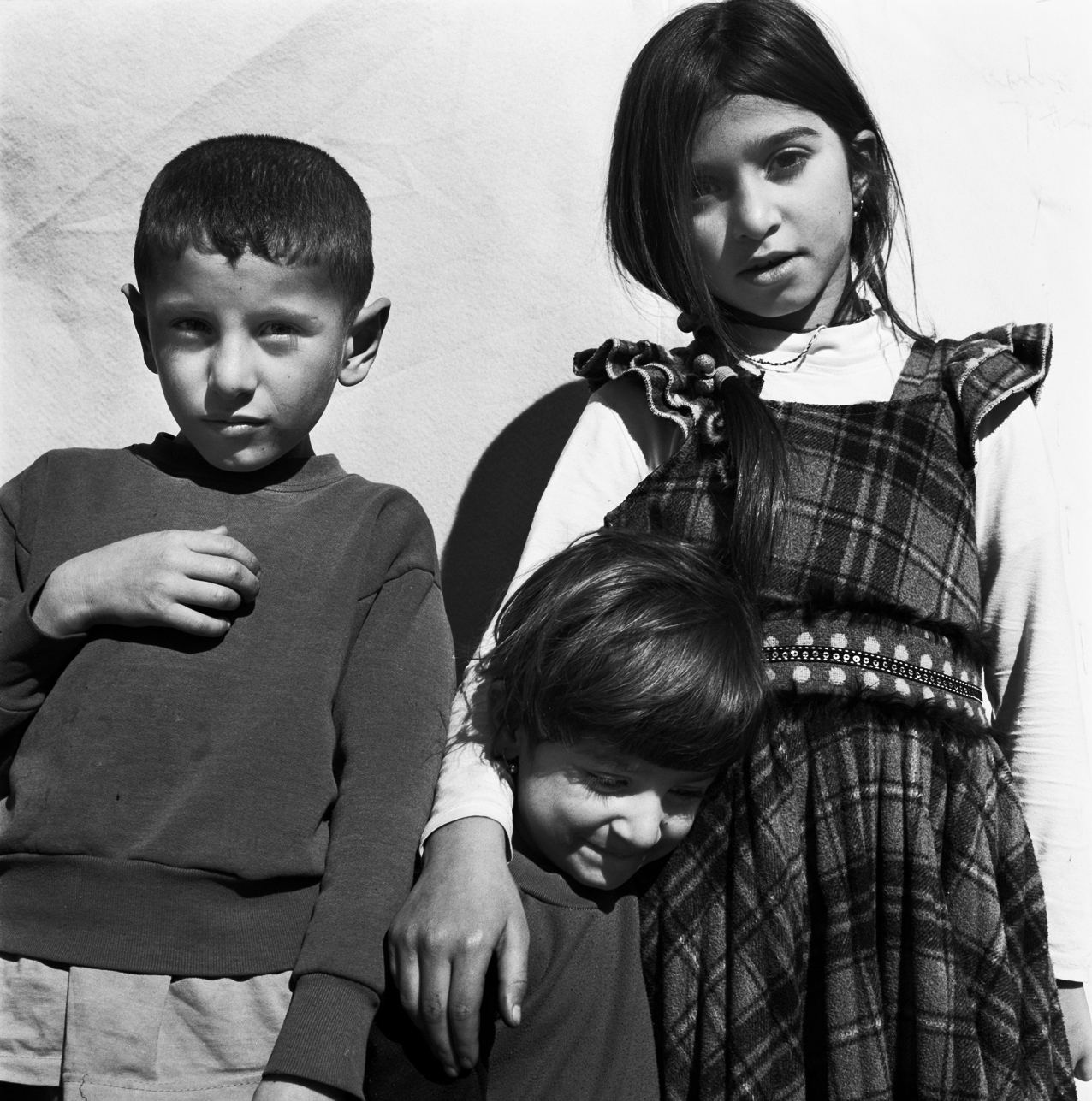
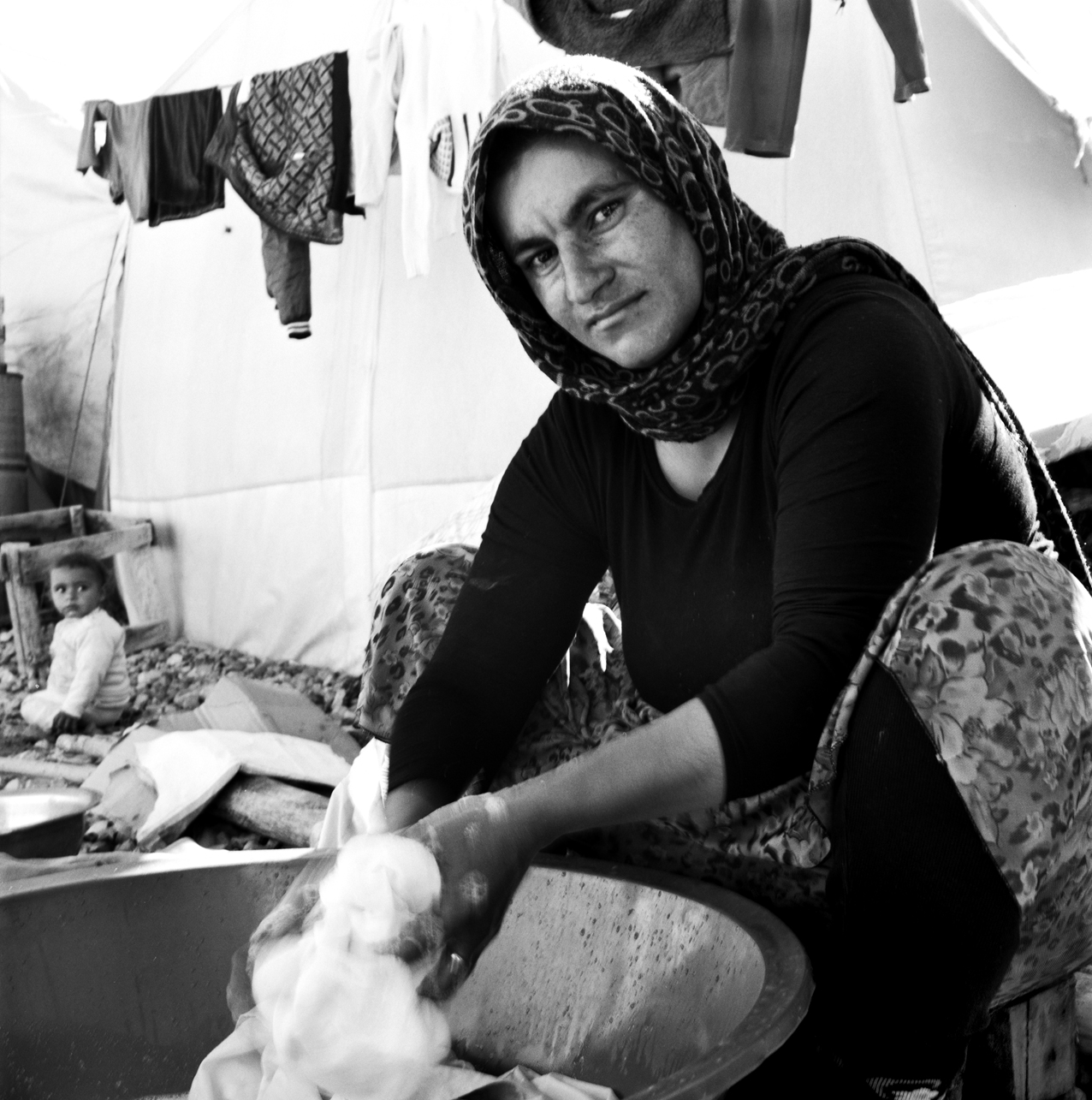
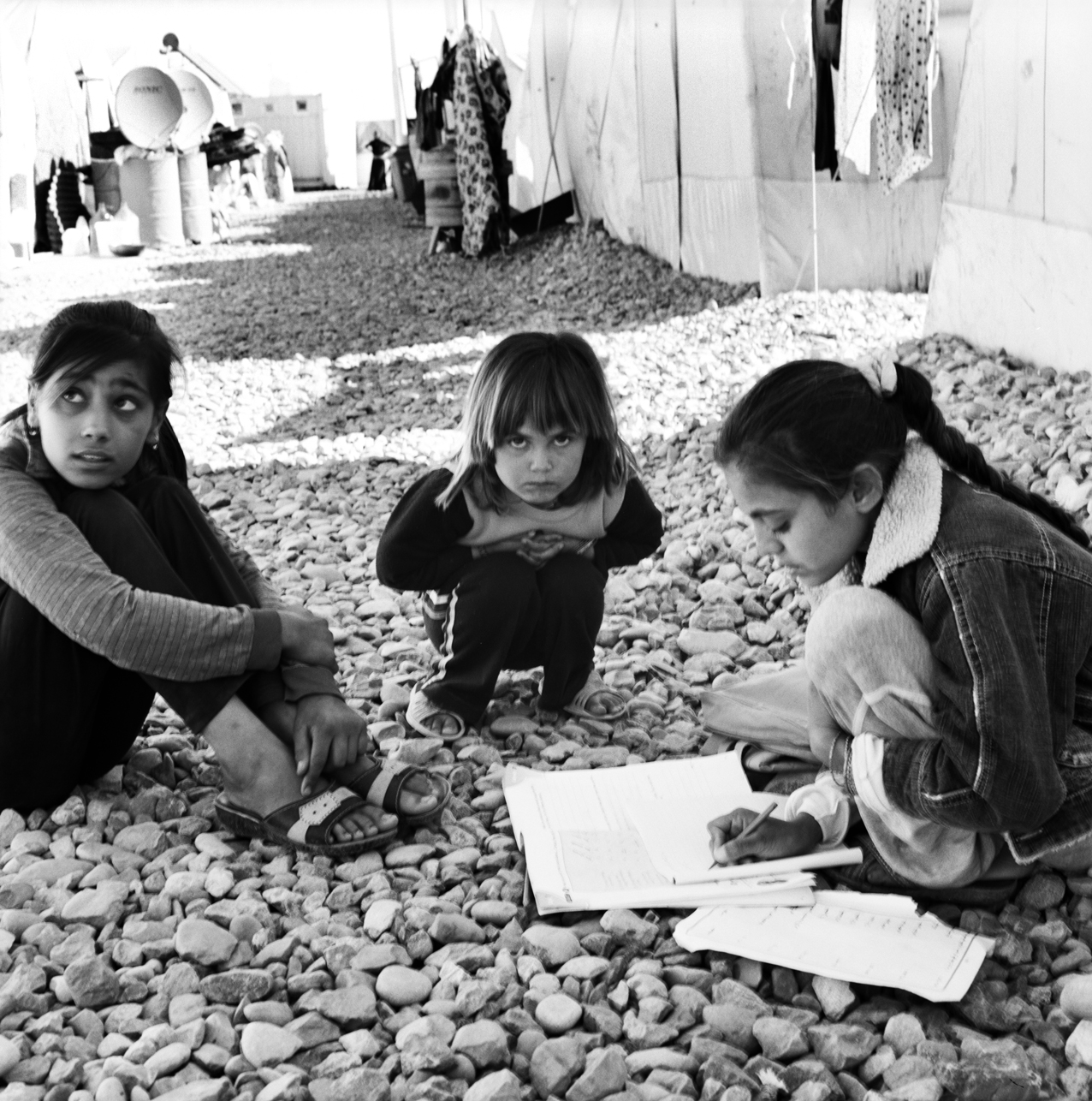
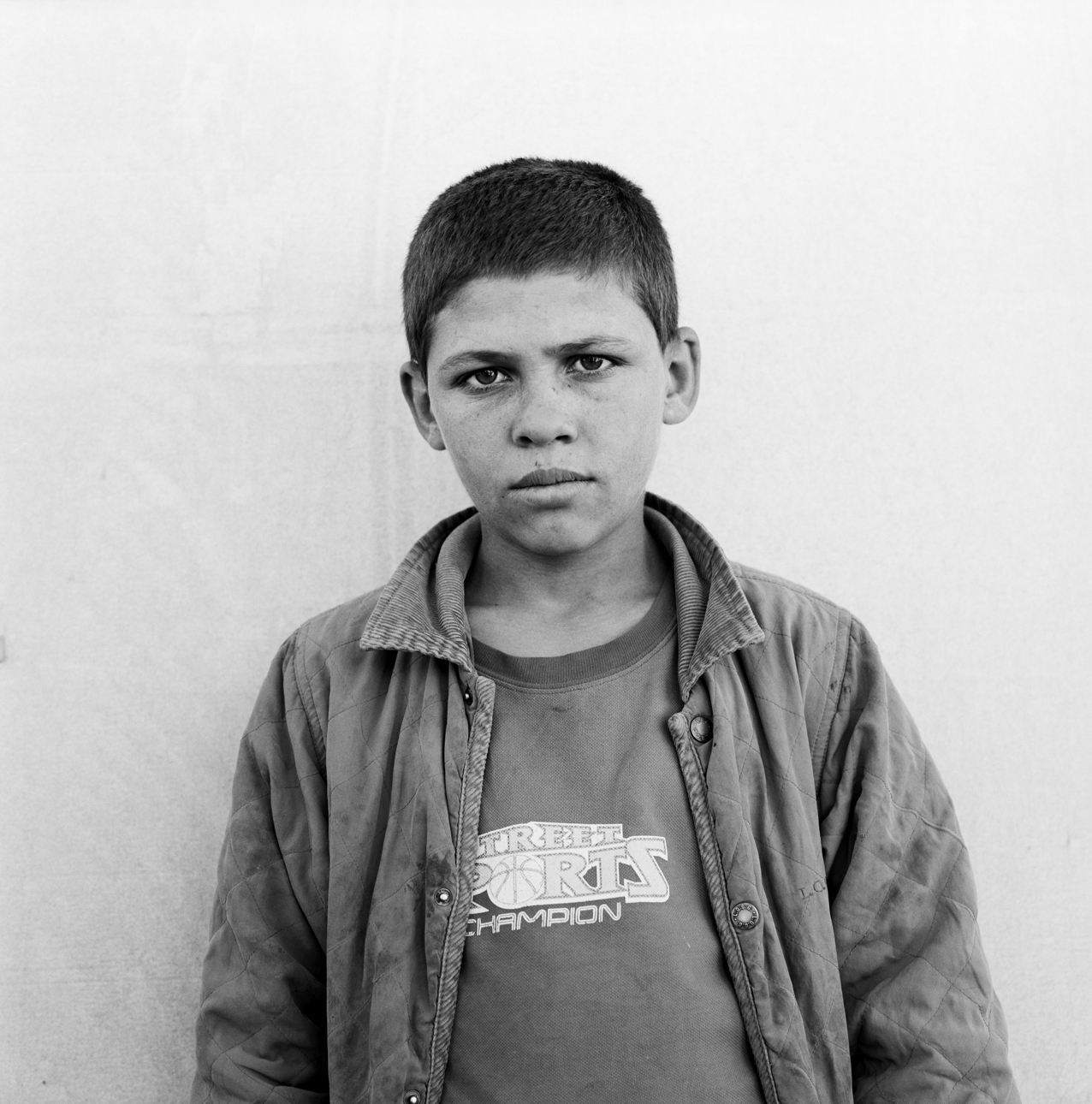
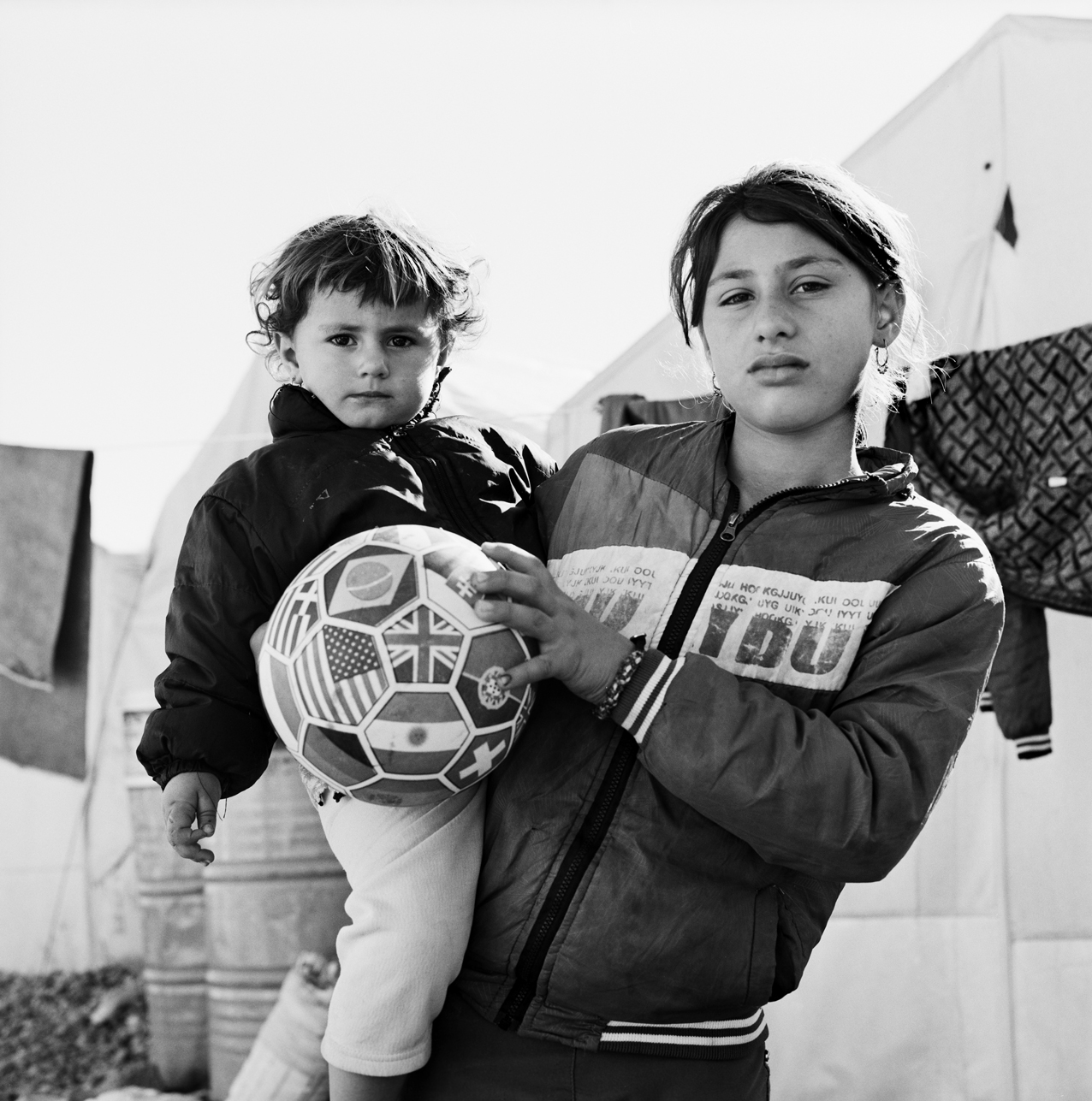
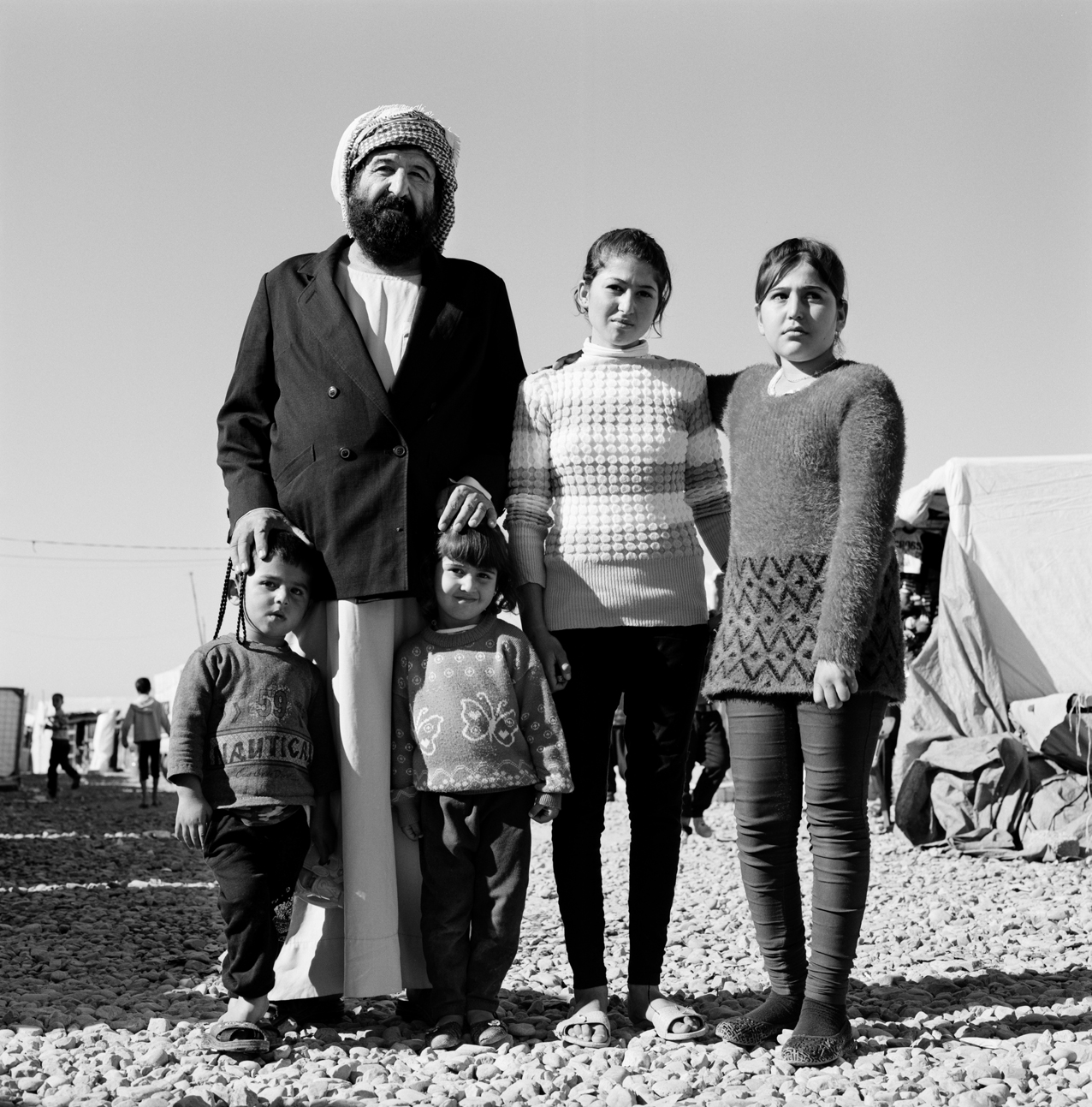
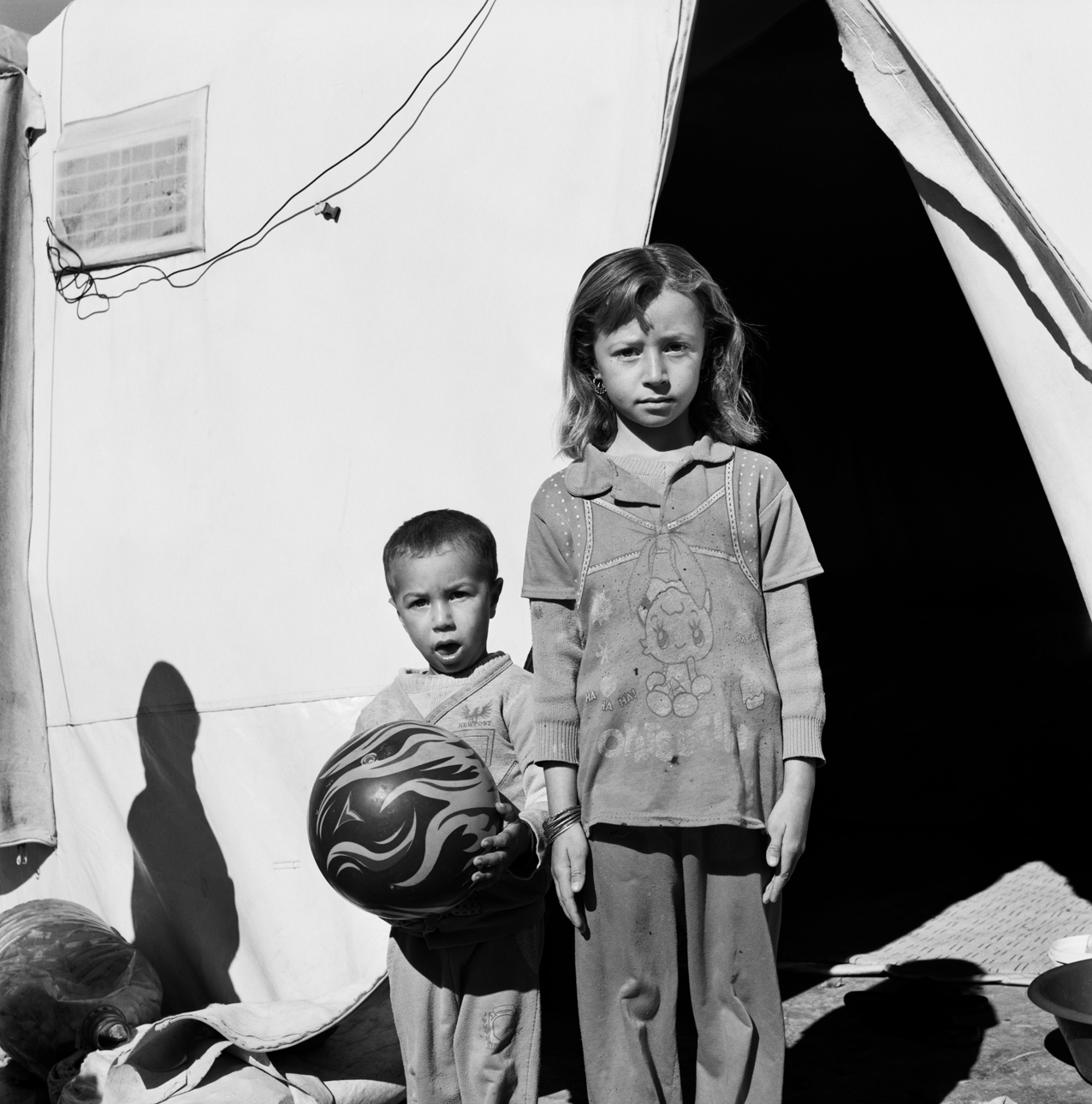
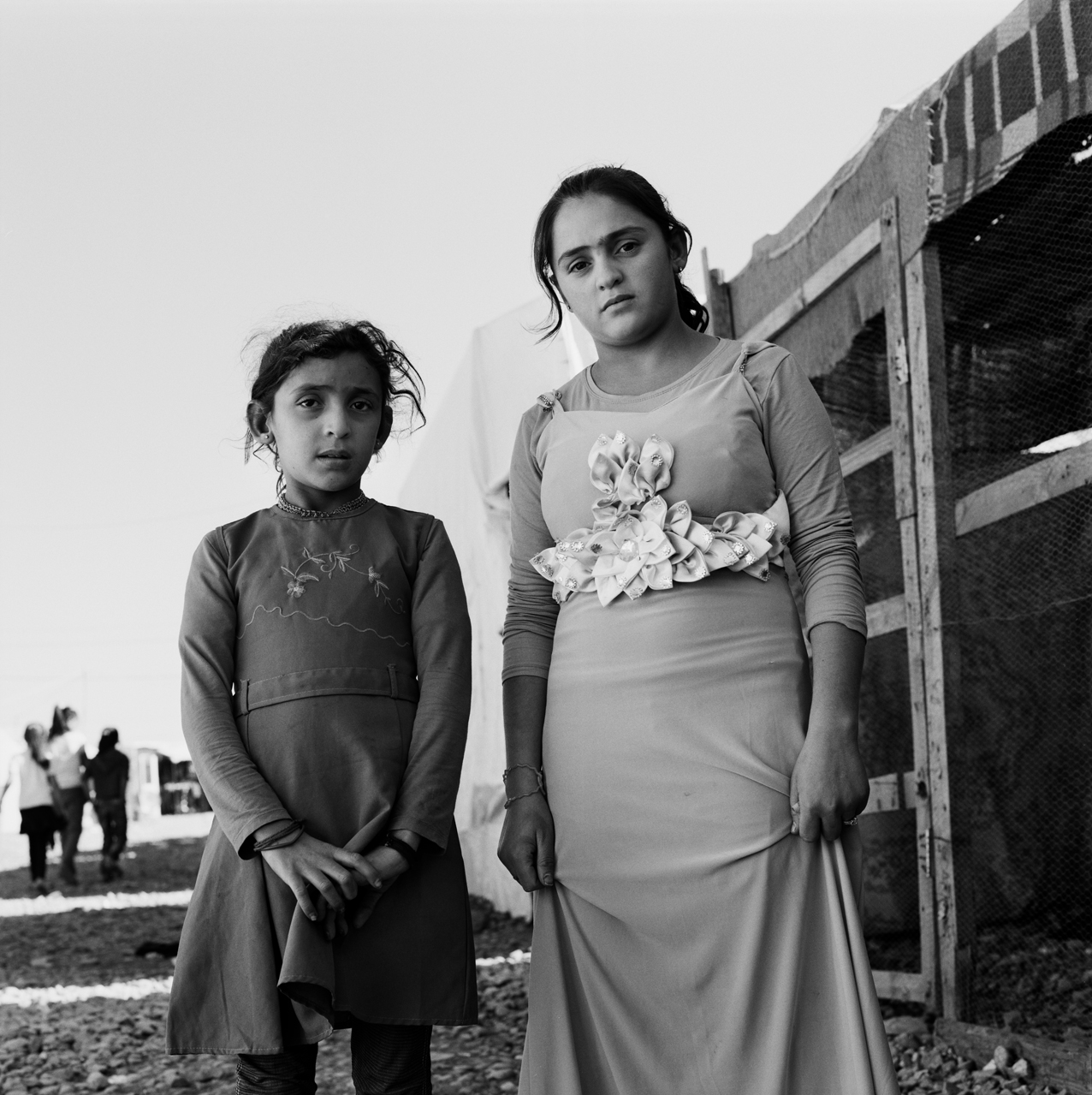
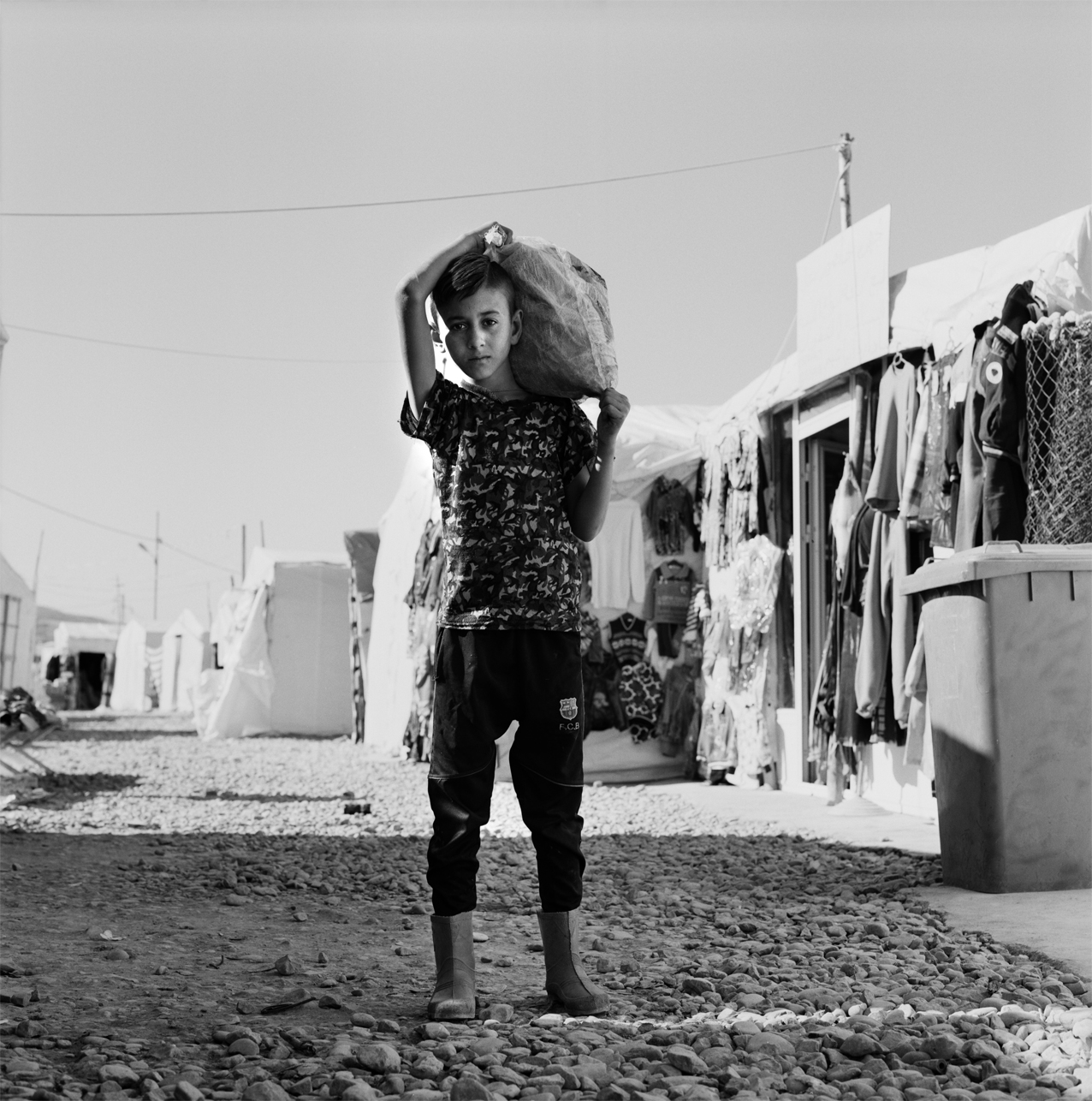
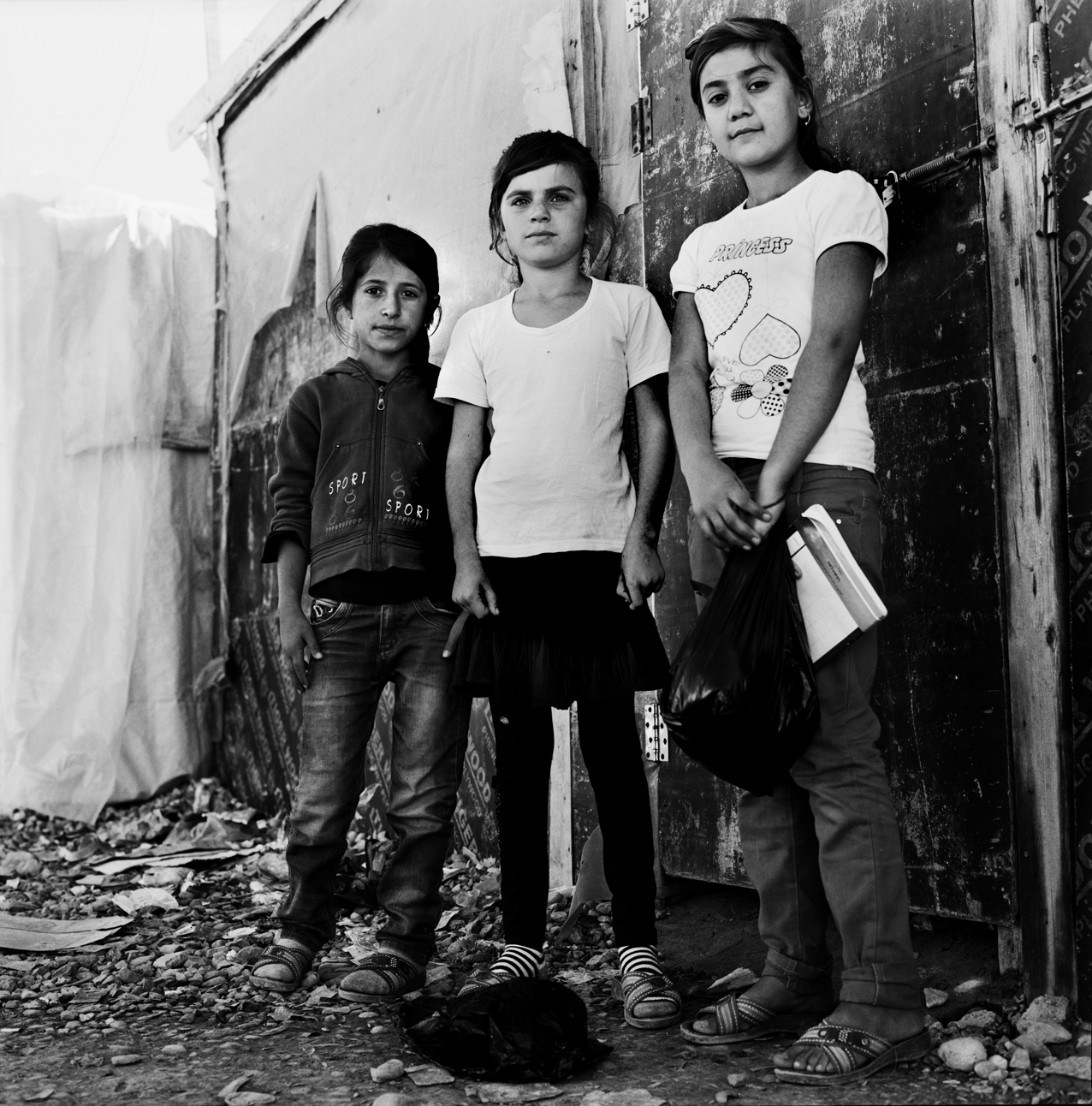
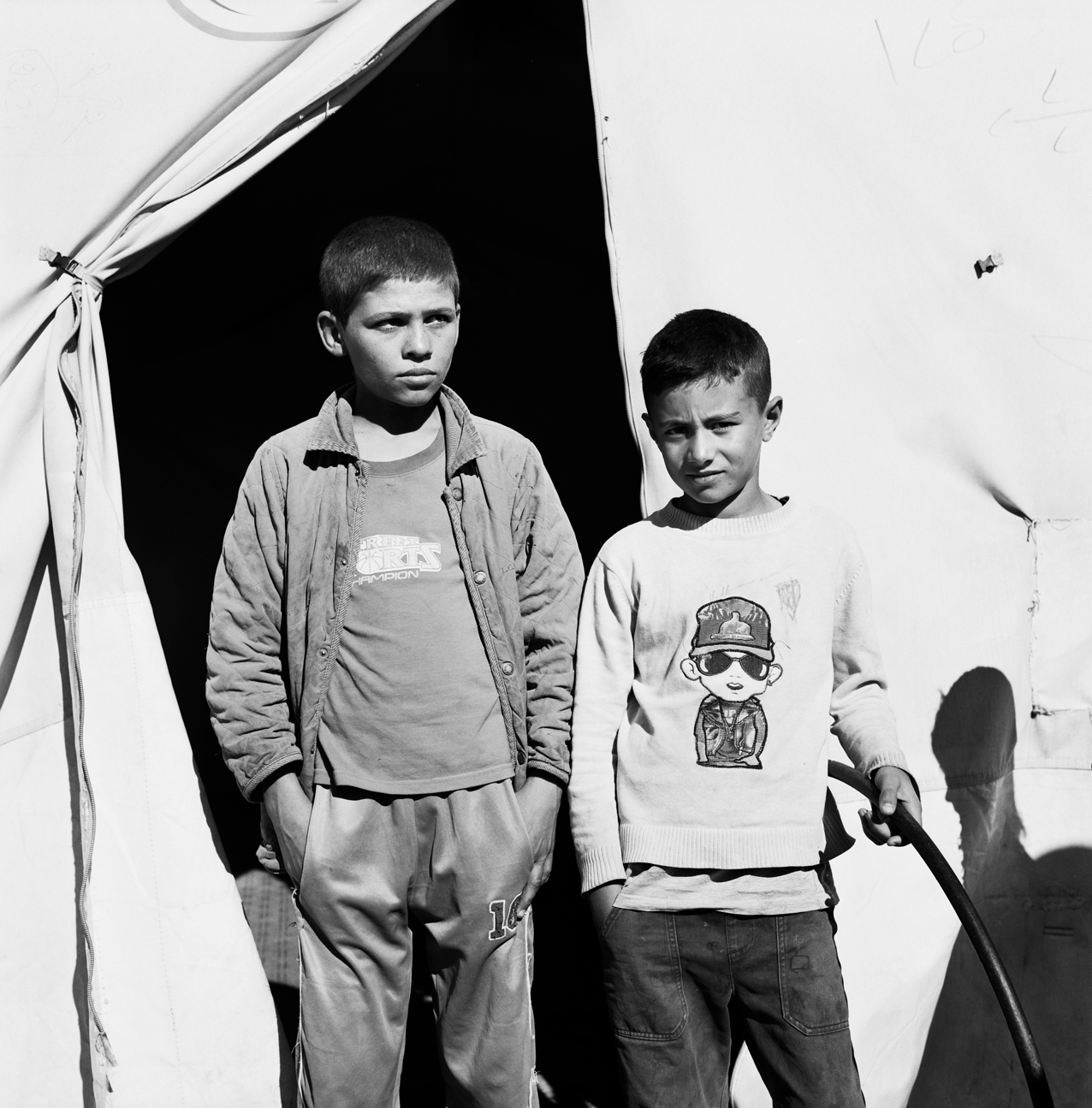
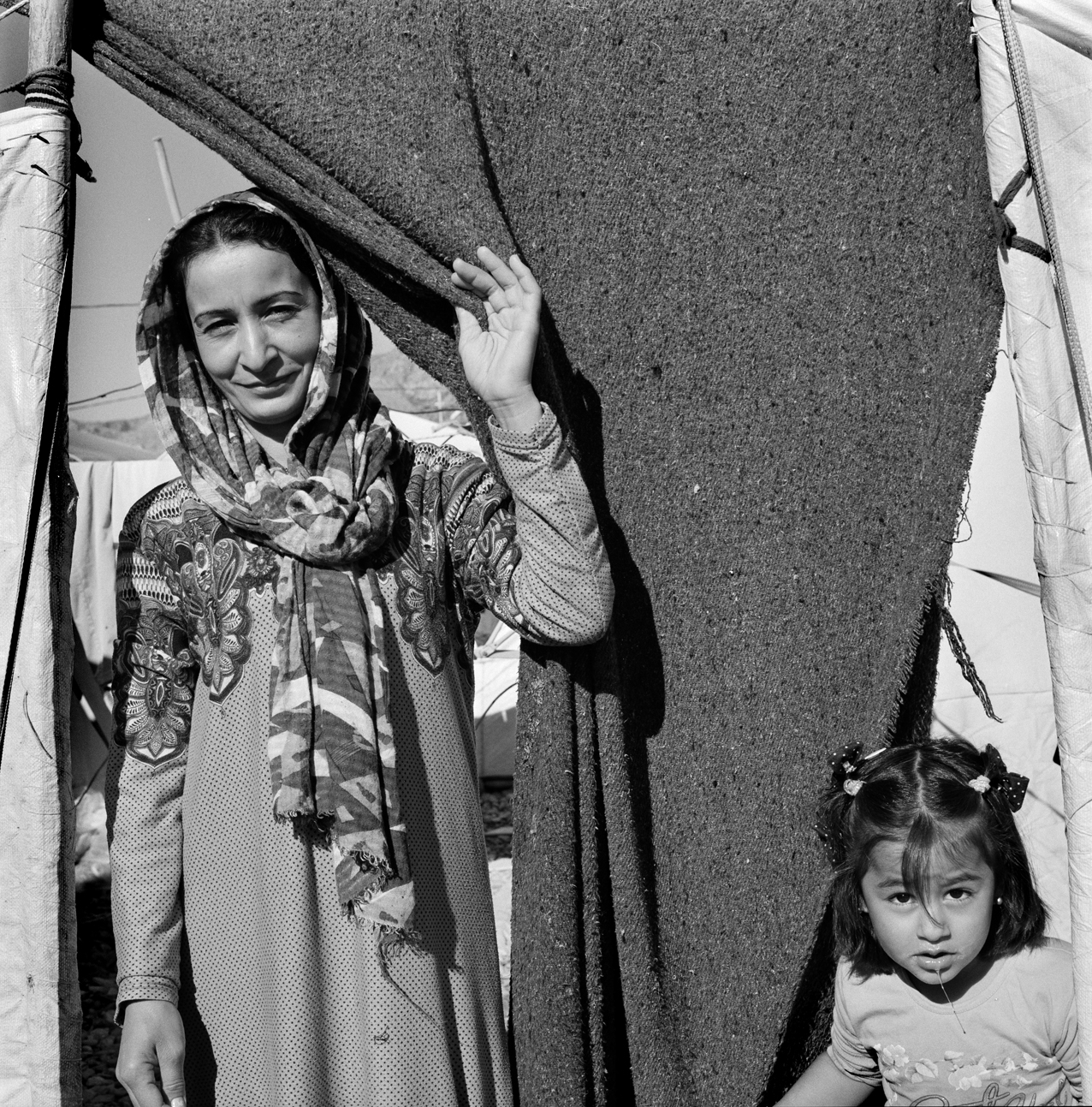
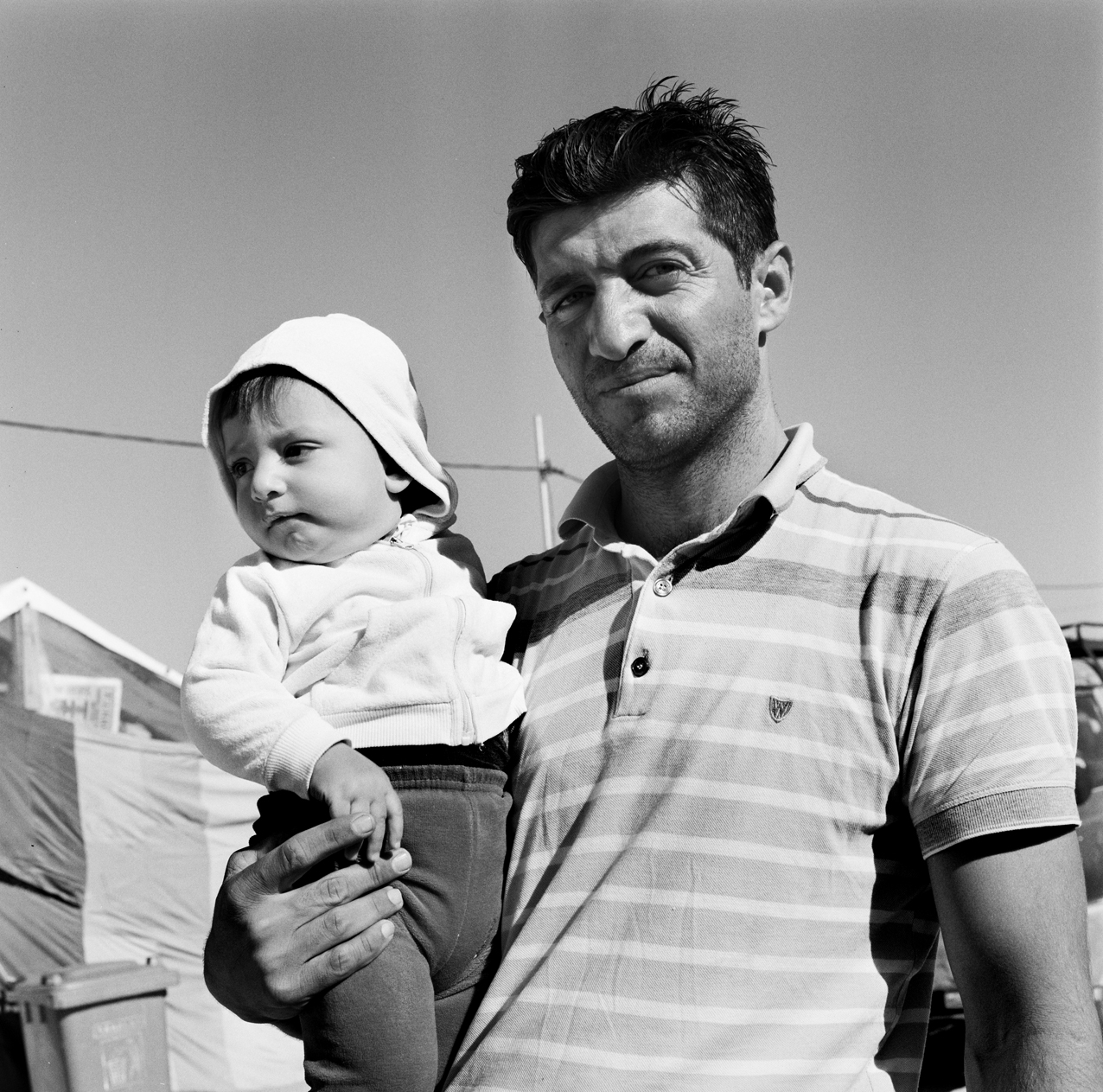
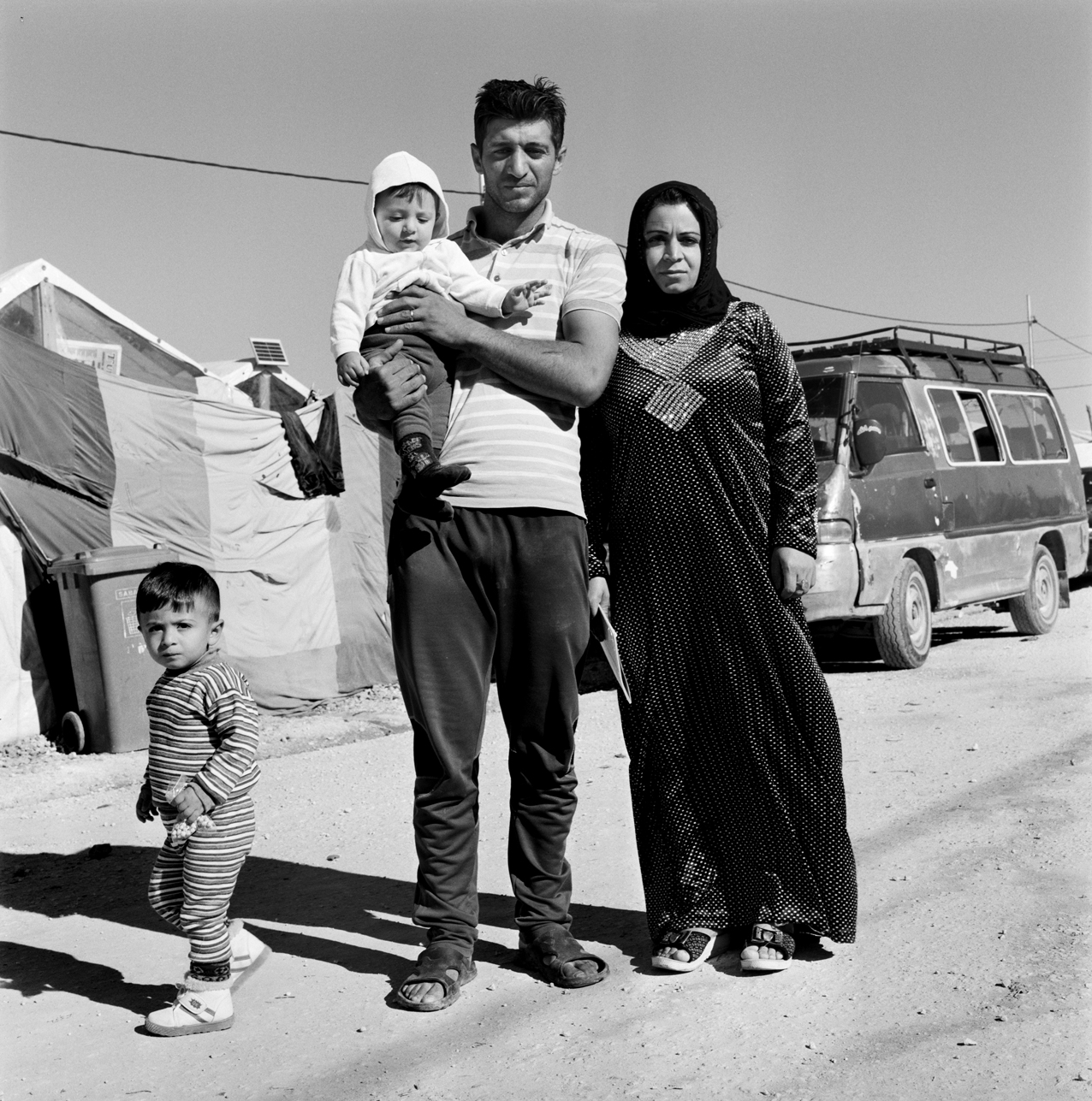
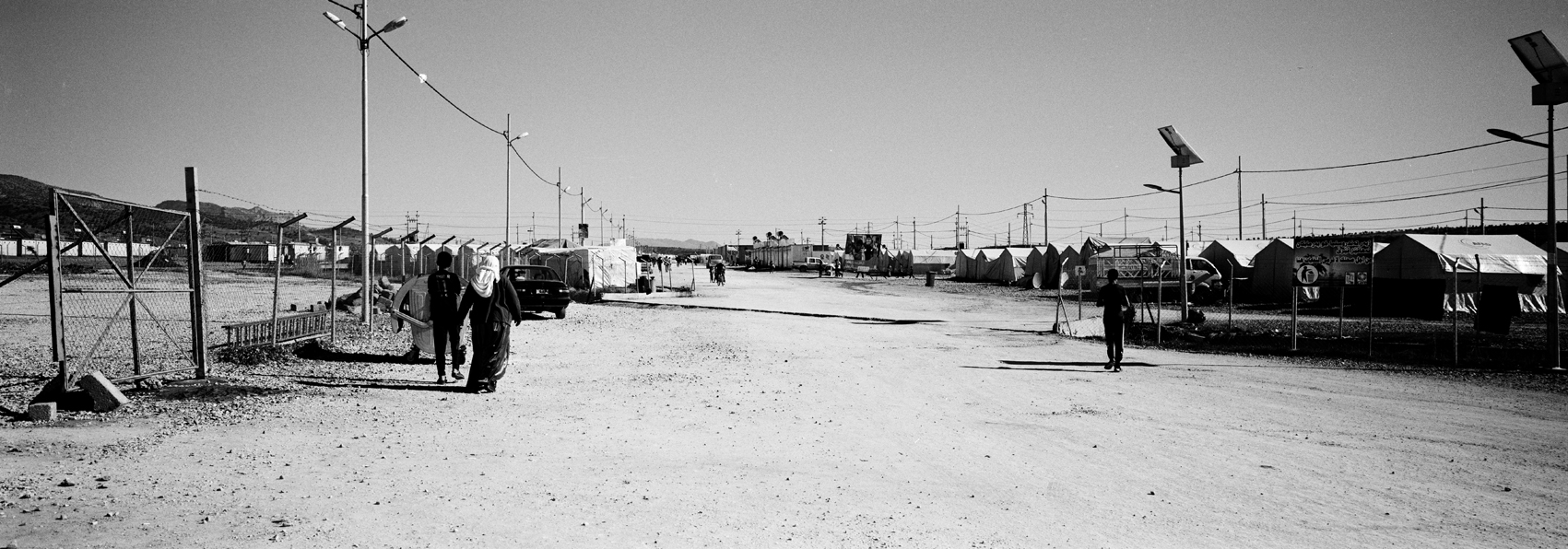
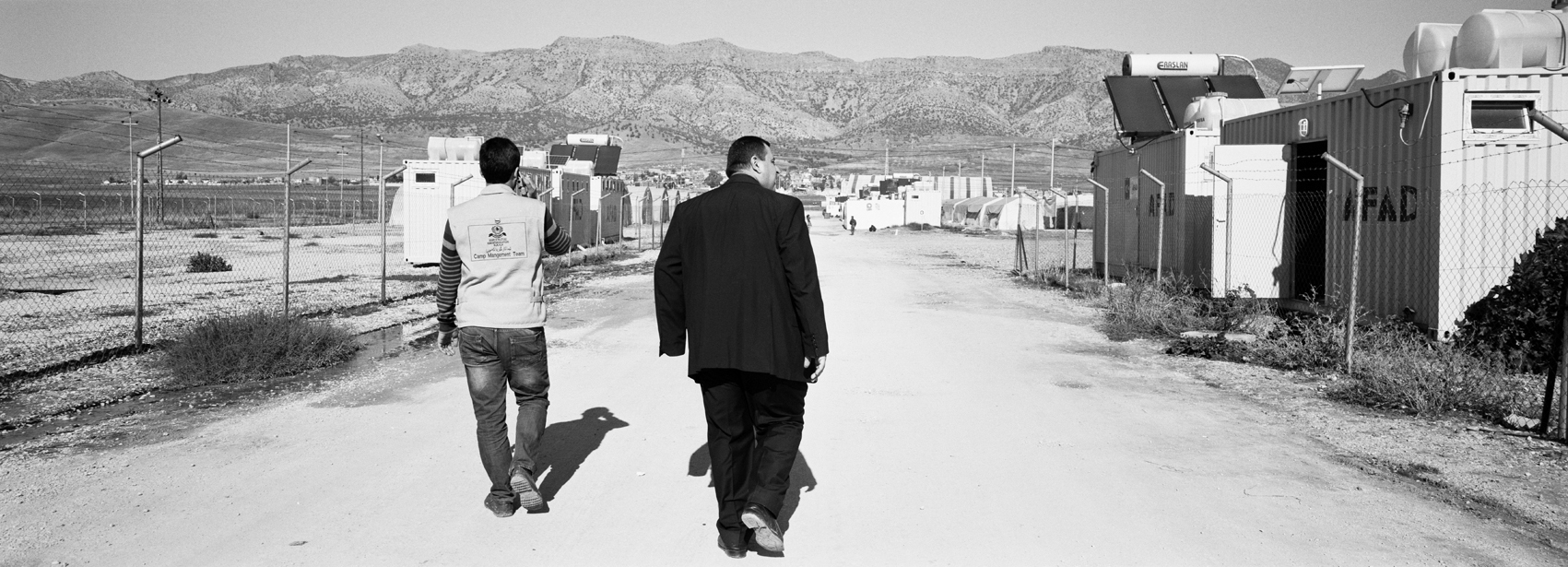
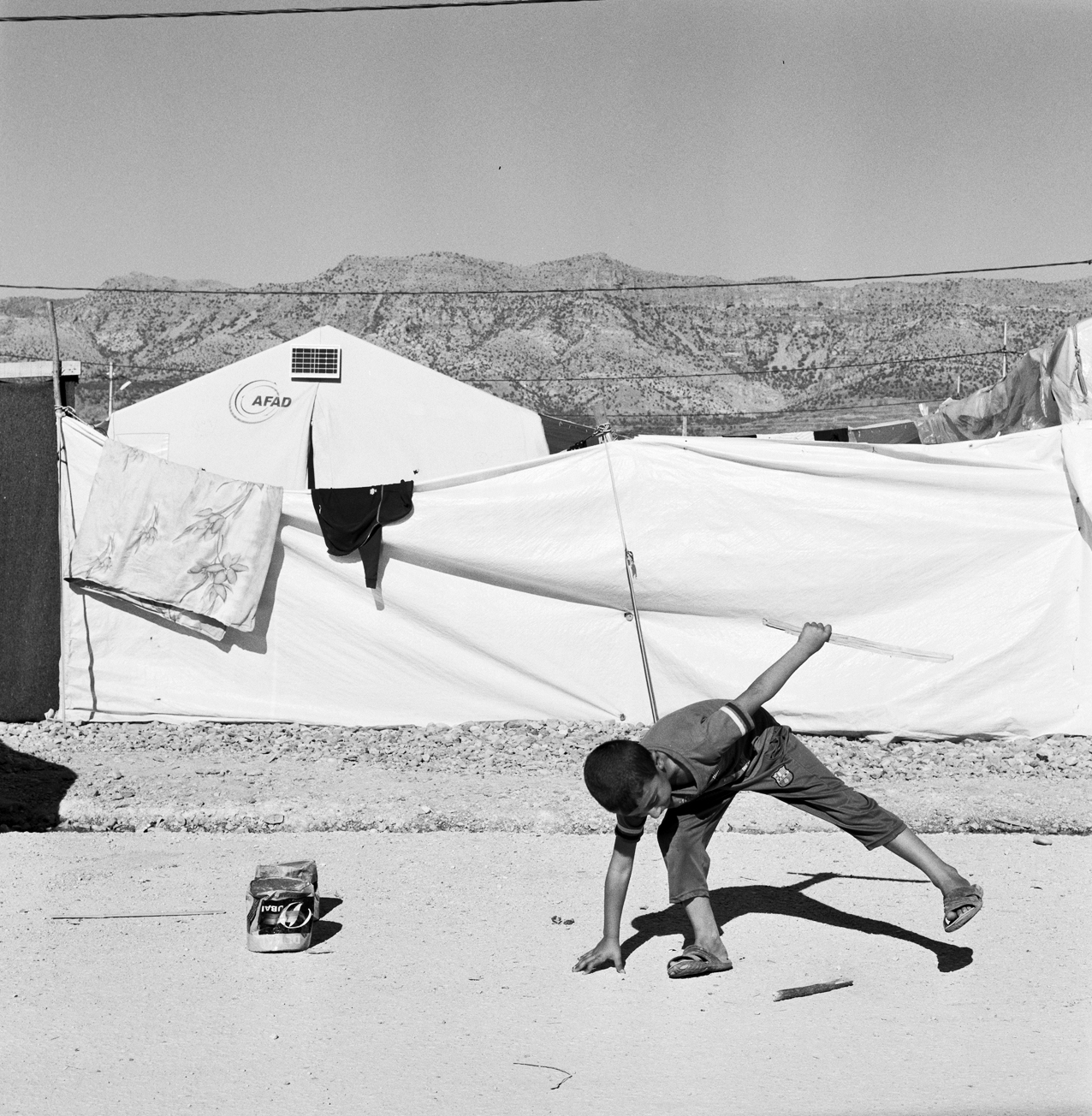
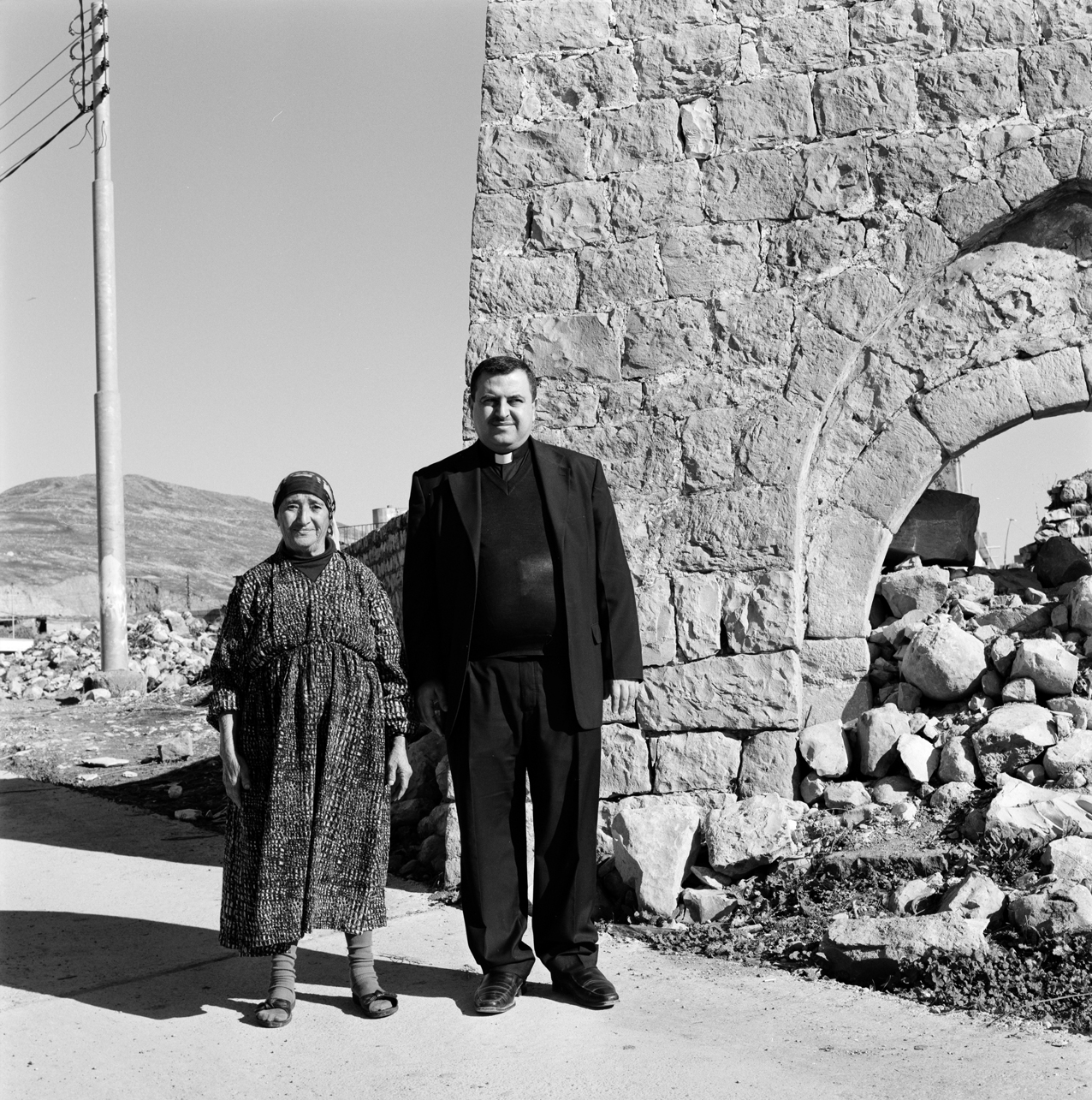
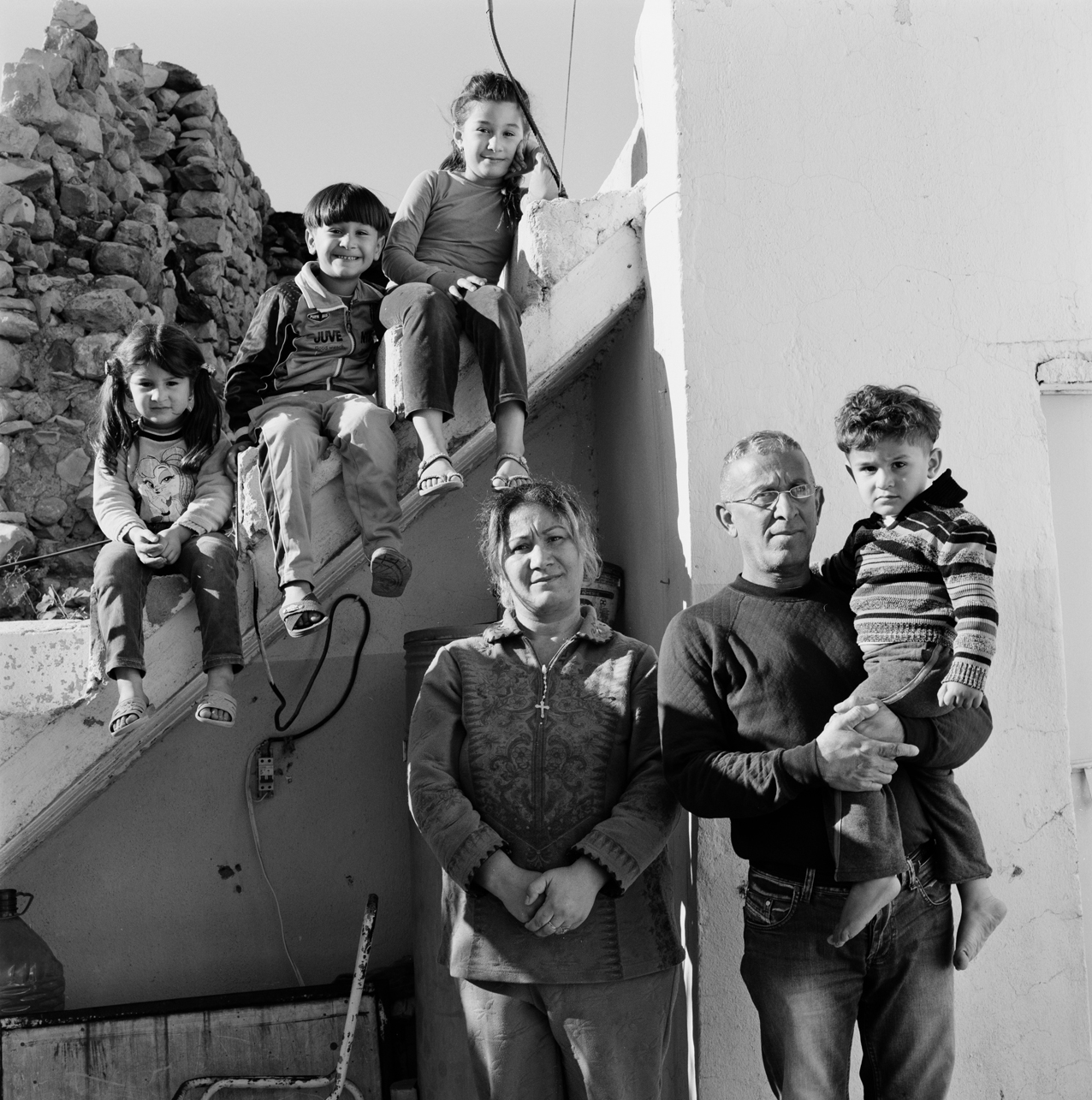
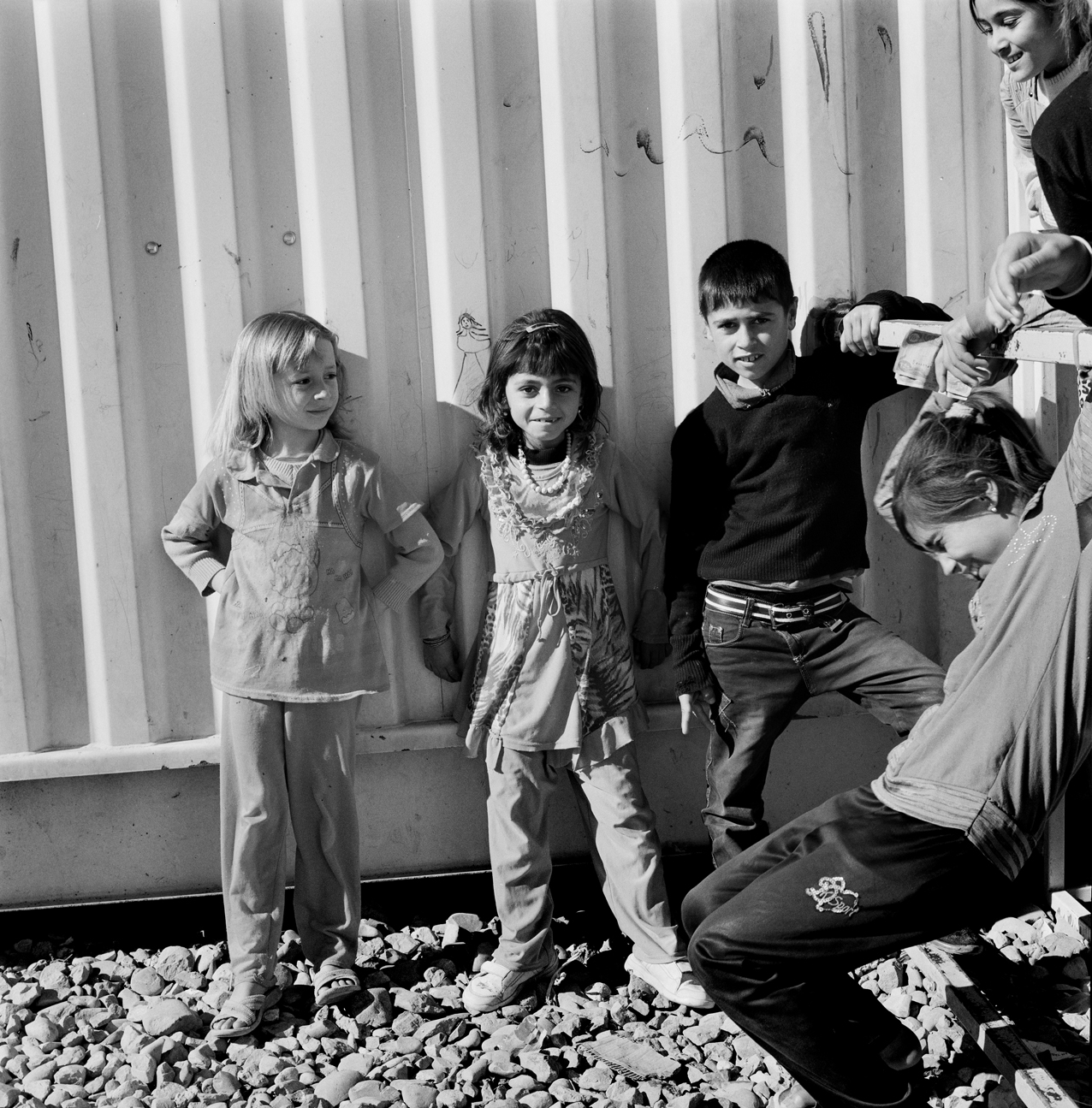
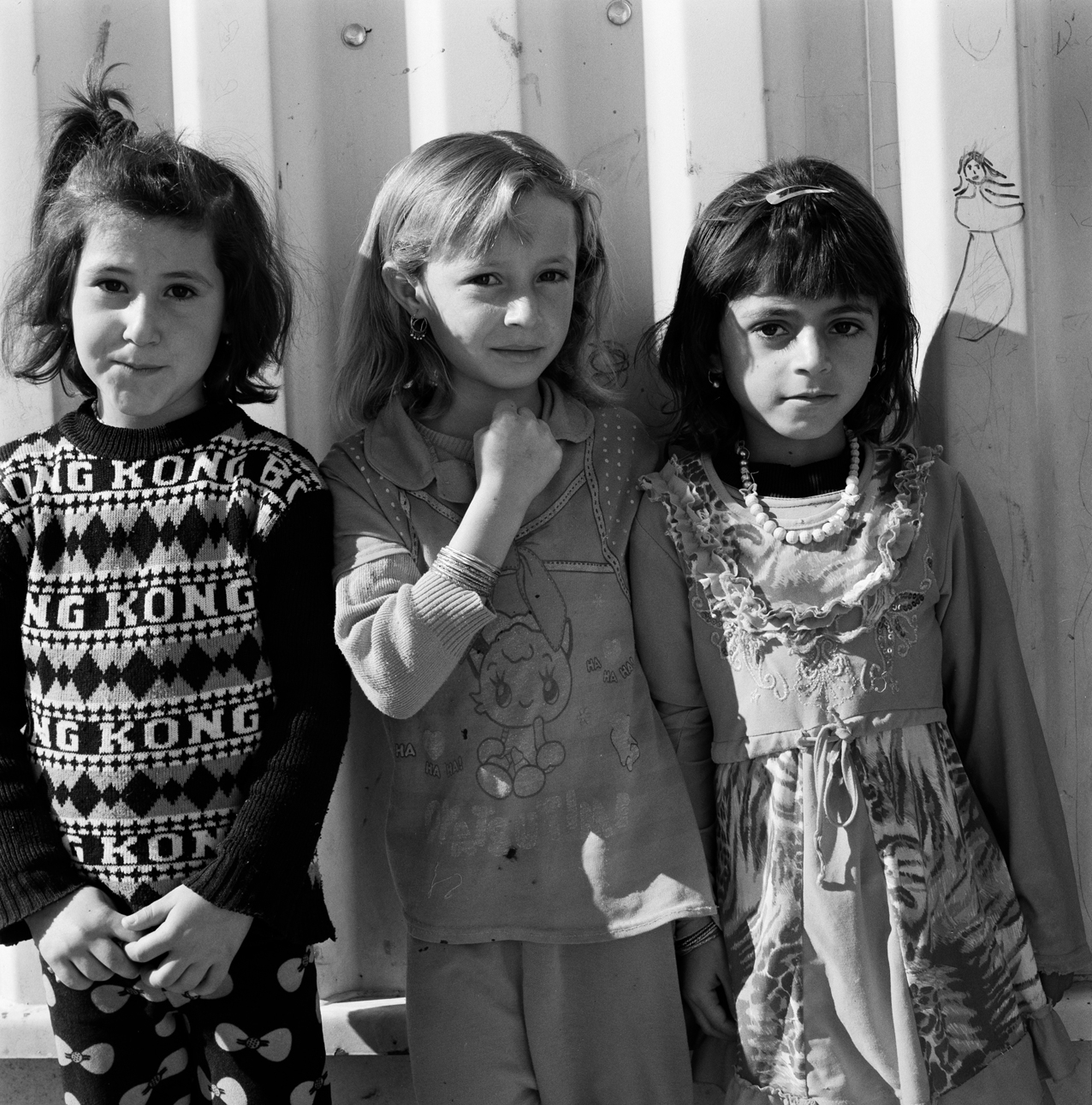
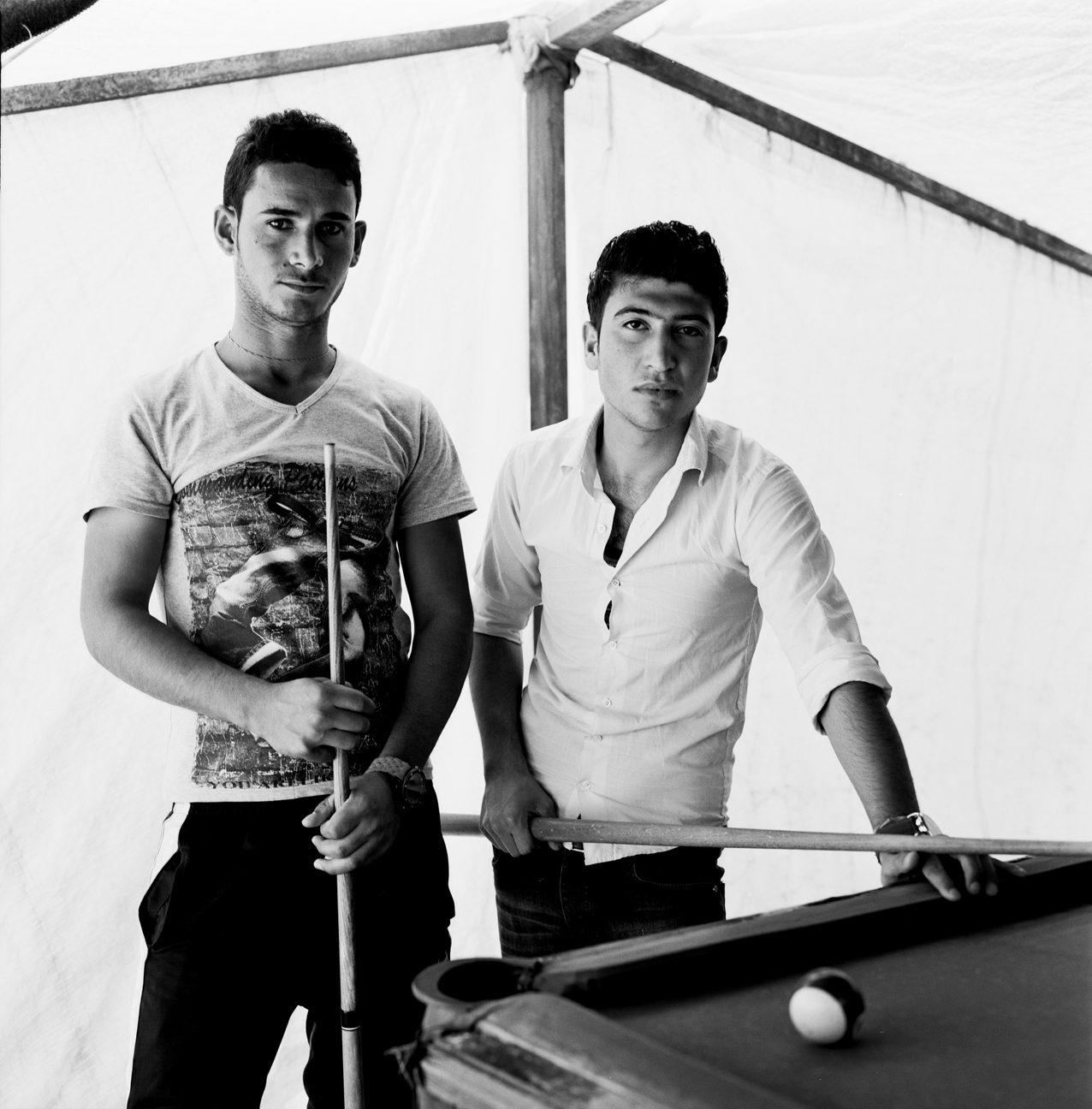
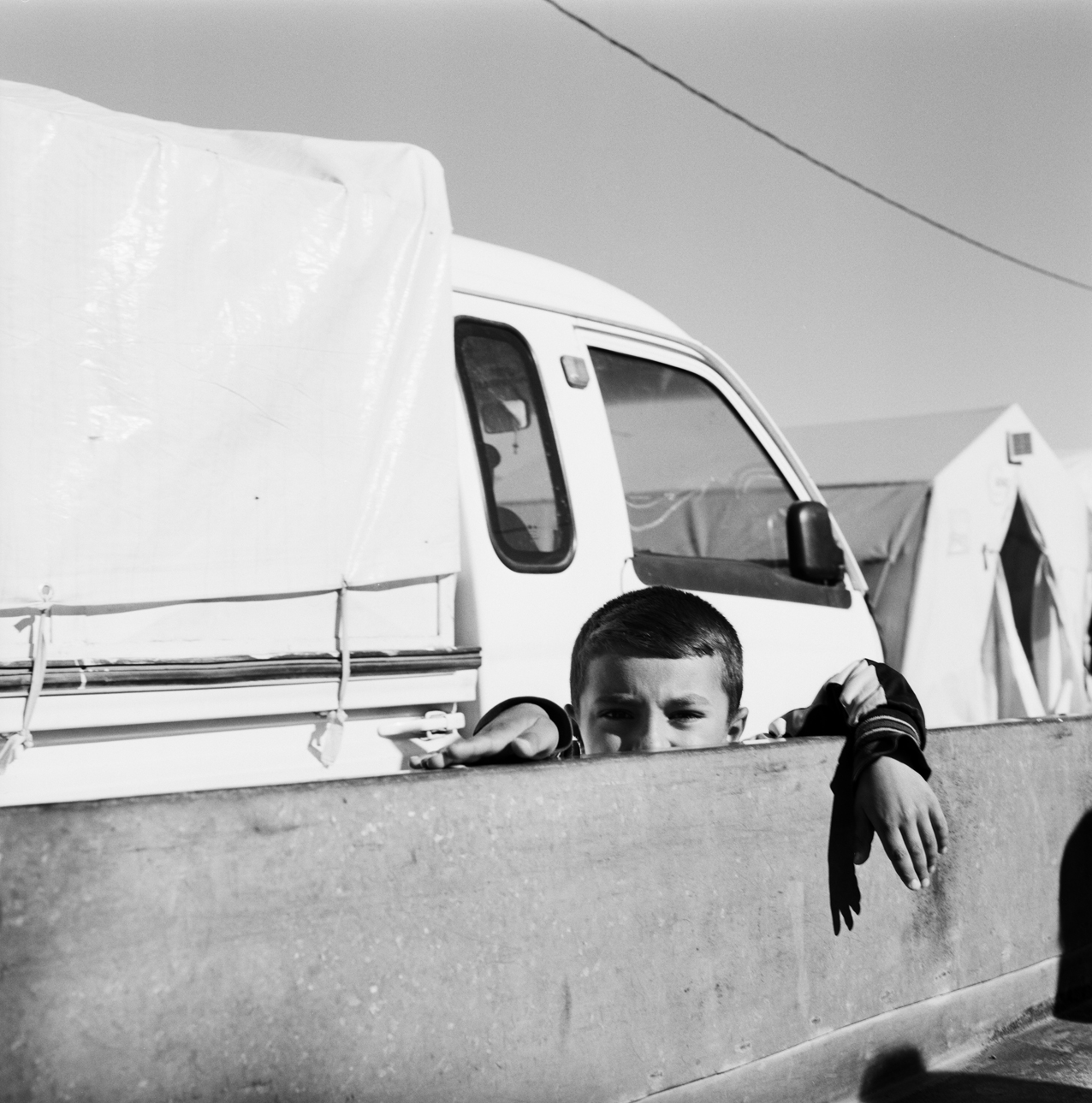
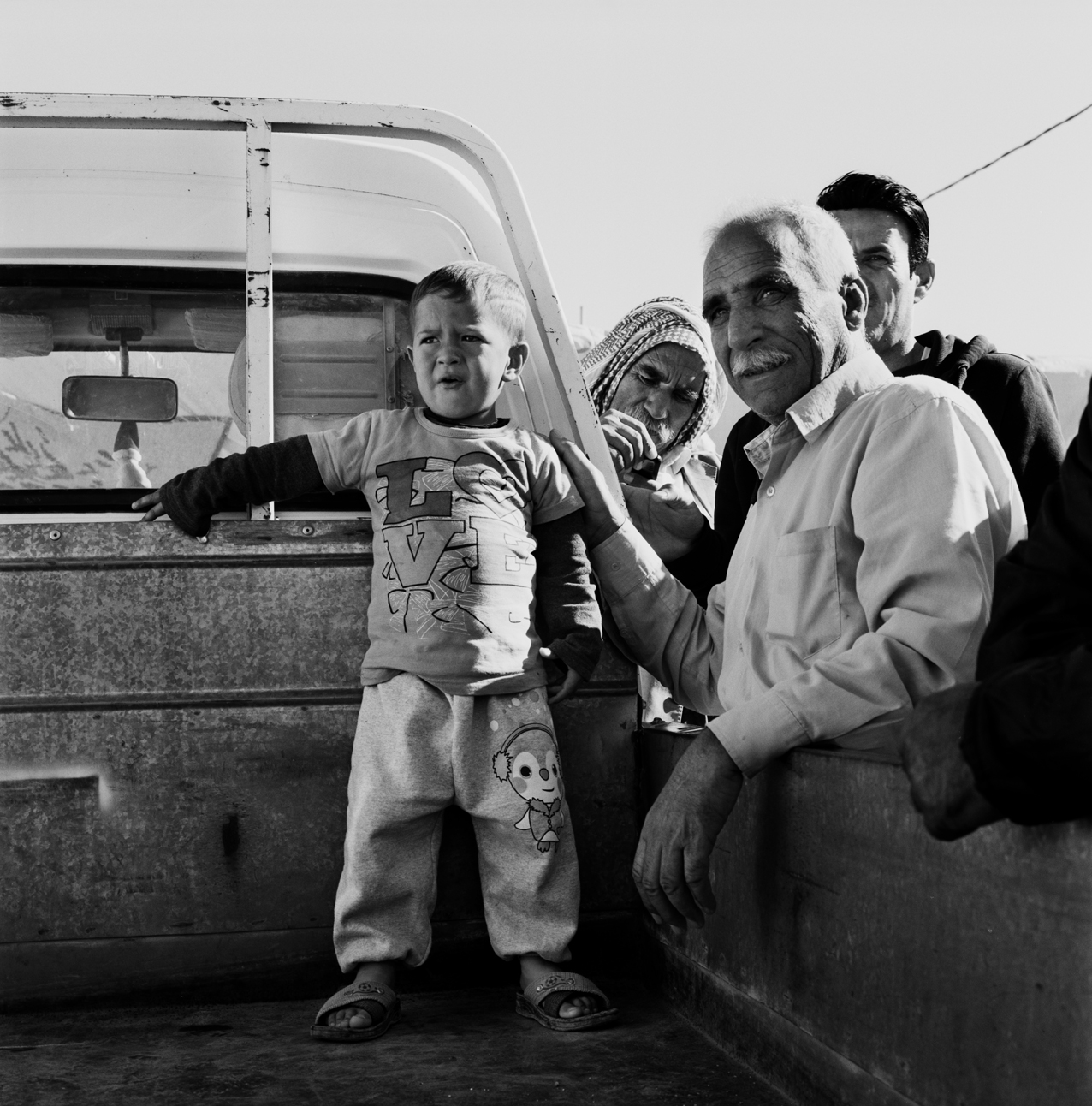
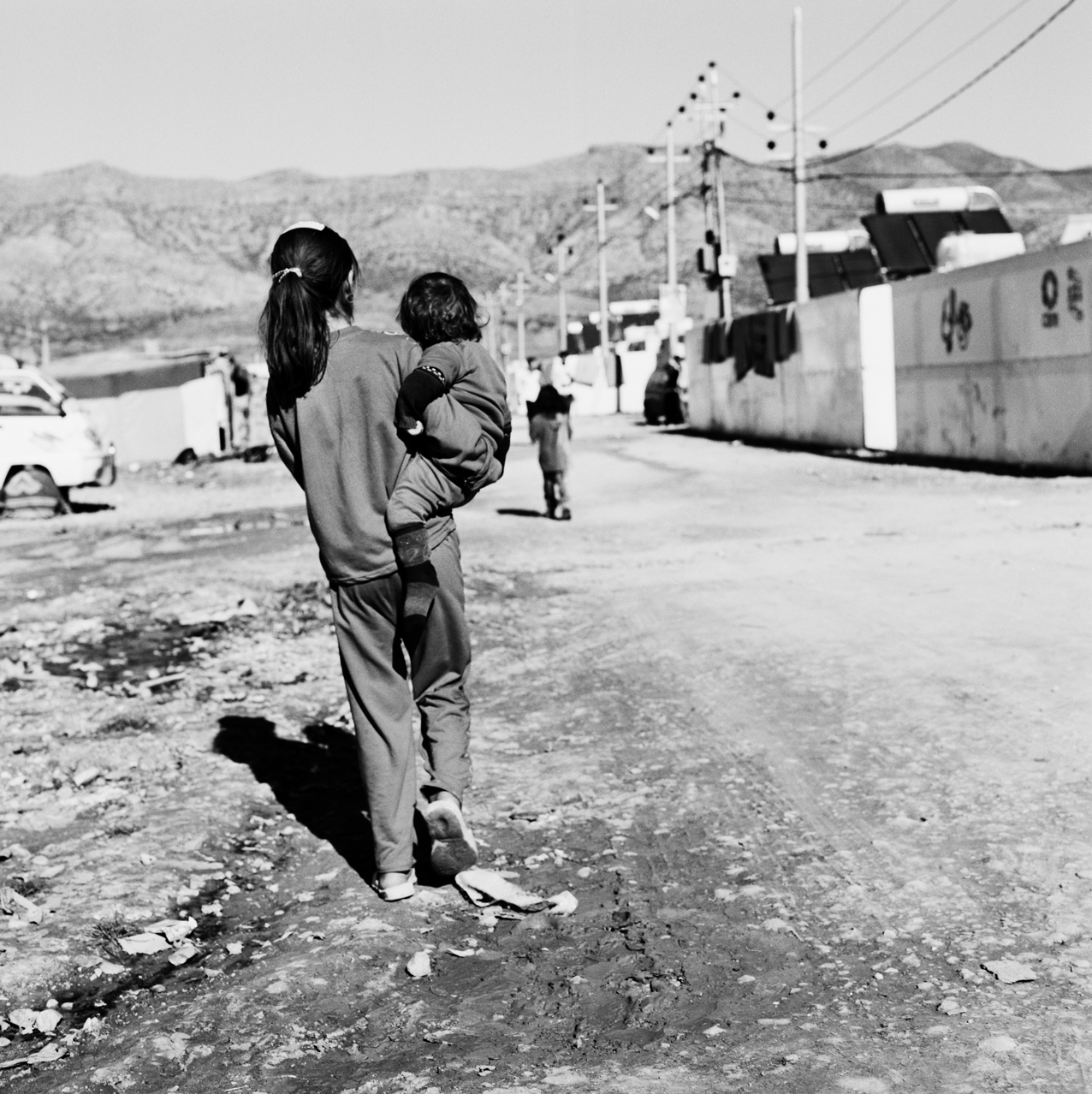
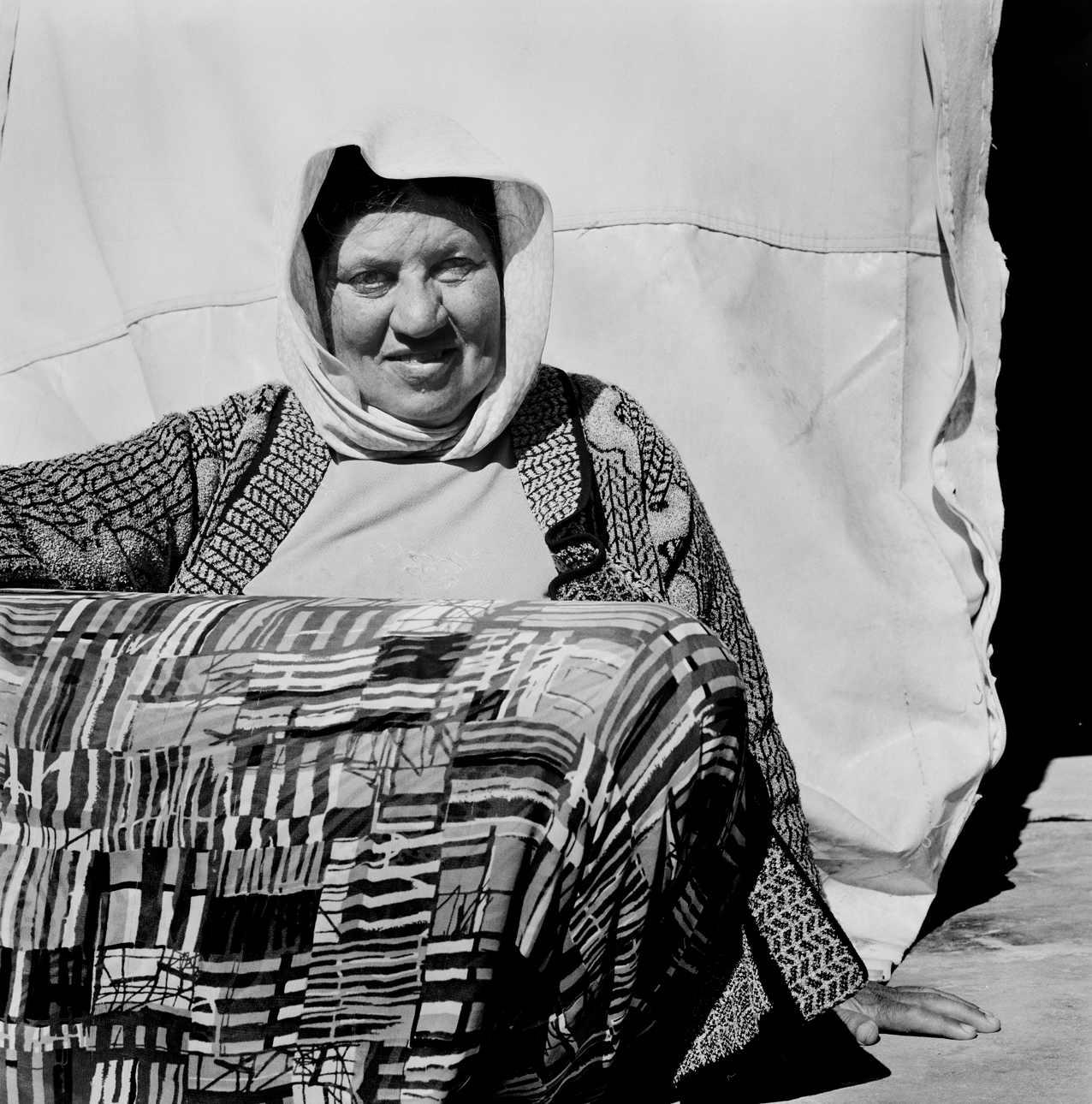
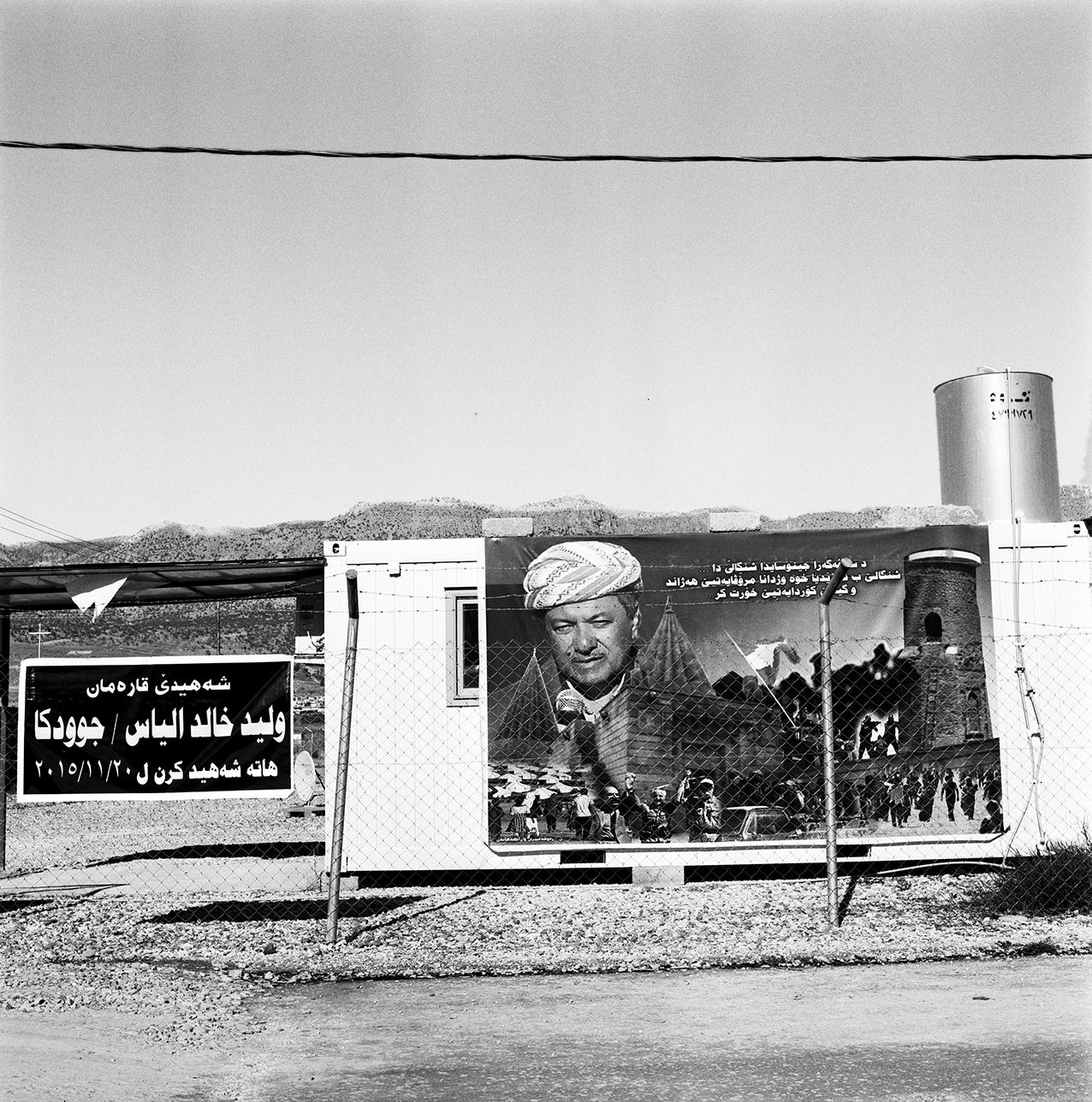
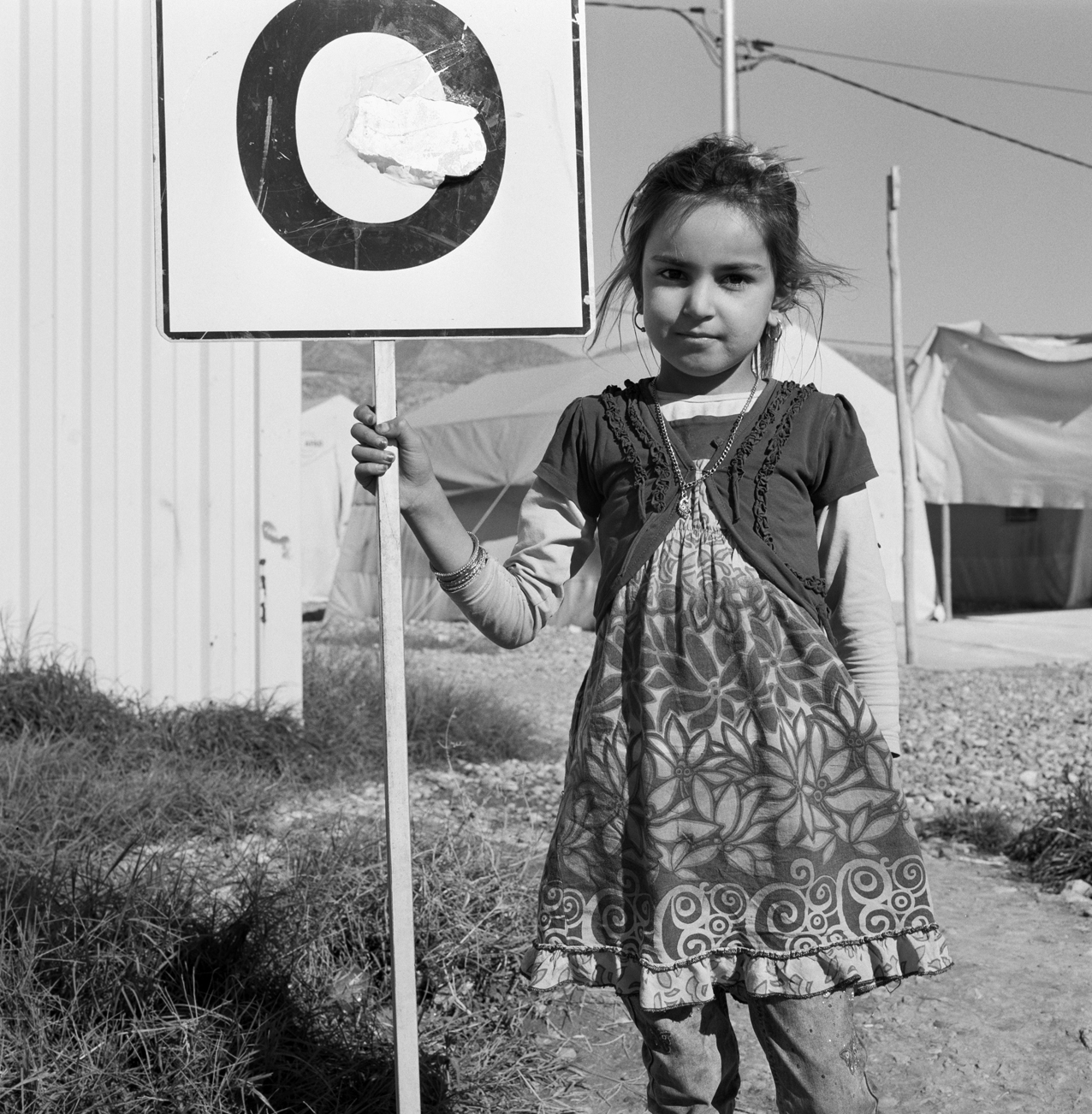
We drove for about an hour into the hills surrounding Zakho, and when we reached the heavily-guarded camp, I realised that without Father Johnny by my side, I would have got nowhere. It was Sunday and father Johnny had mass to give, but a colleague was standing in for him so that he could be my guide and translator. He stayed with me for the entire day, tirelessly at my service. Thanks to him, I was able to put names, ages, brief stories and backgrounds to the men, women and children I photographed that day.
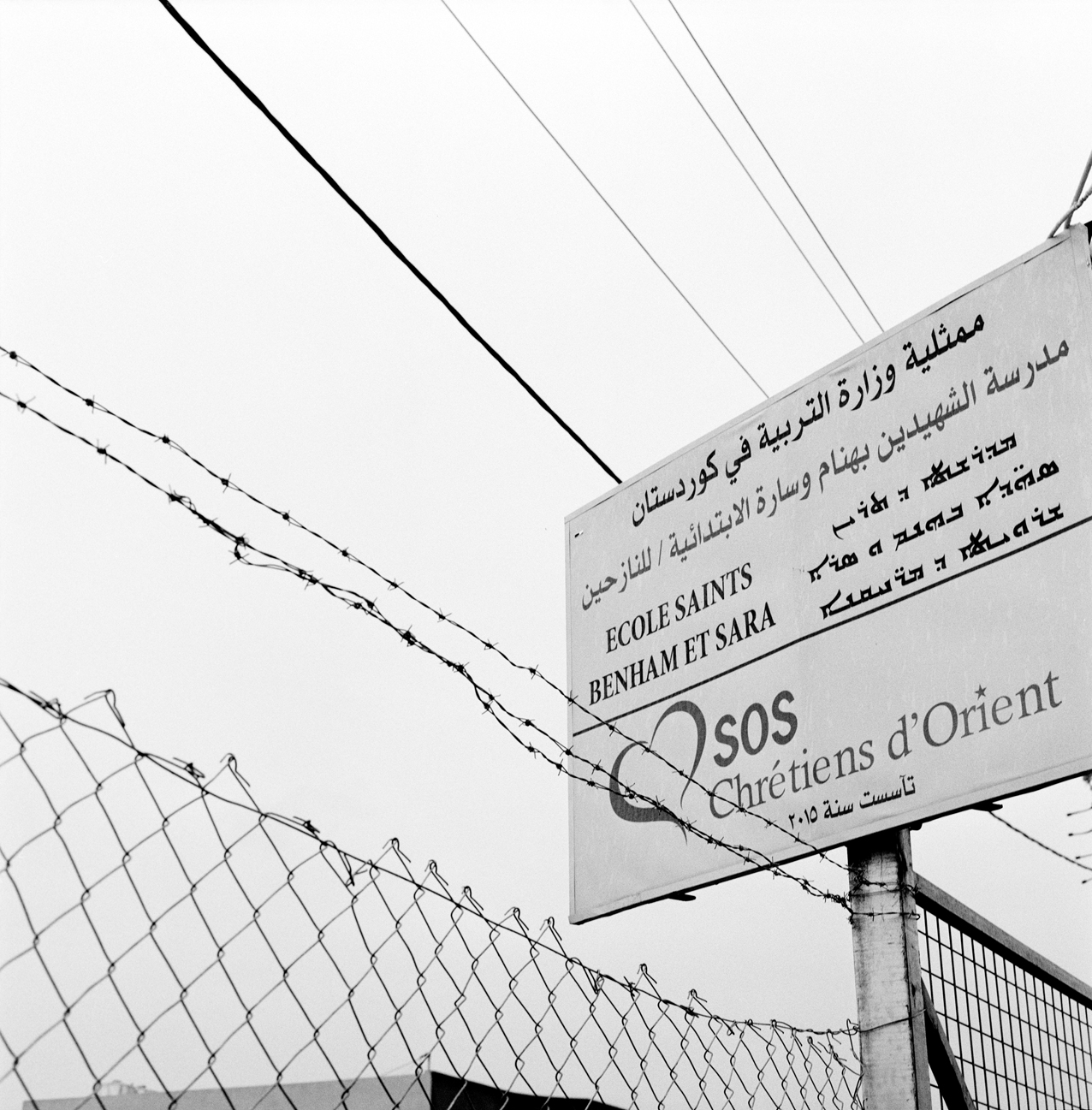
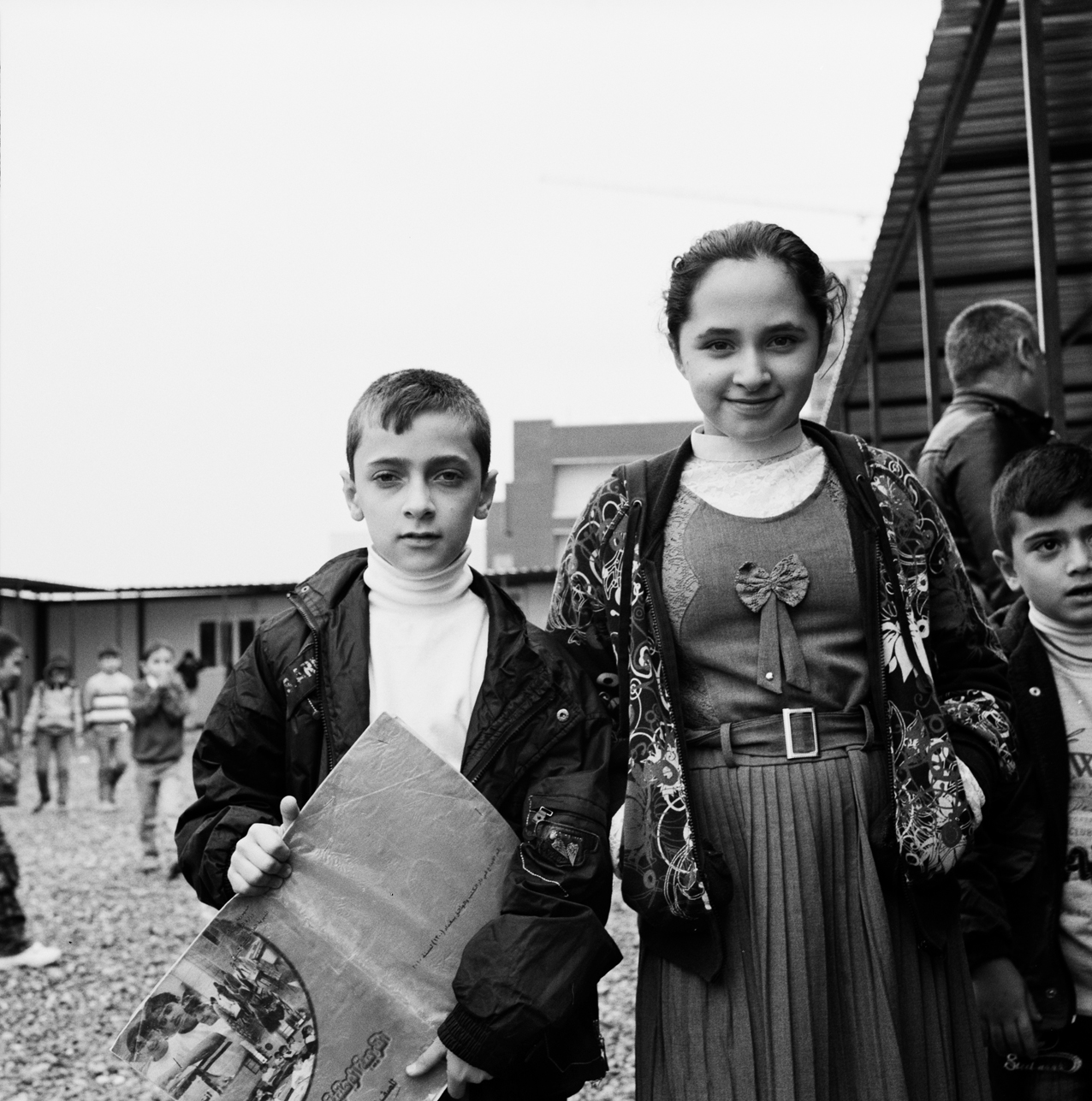
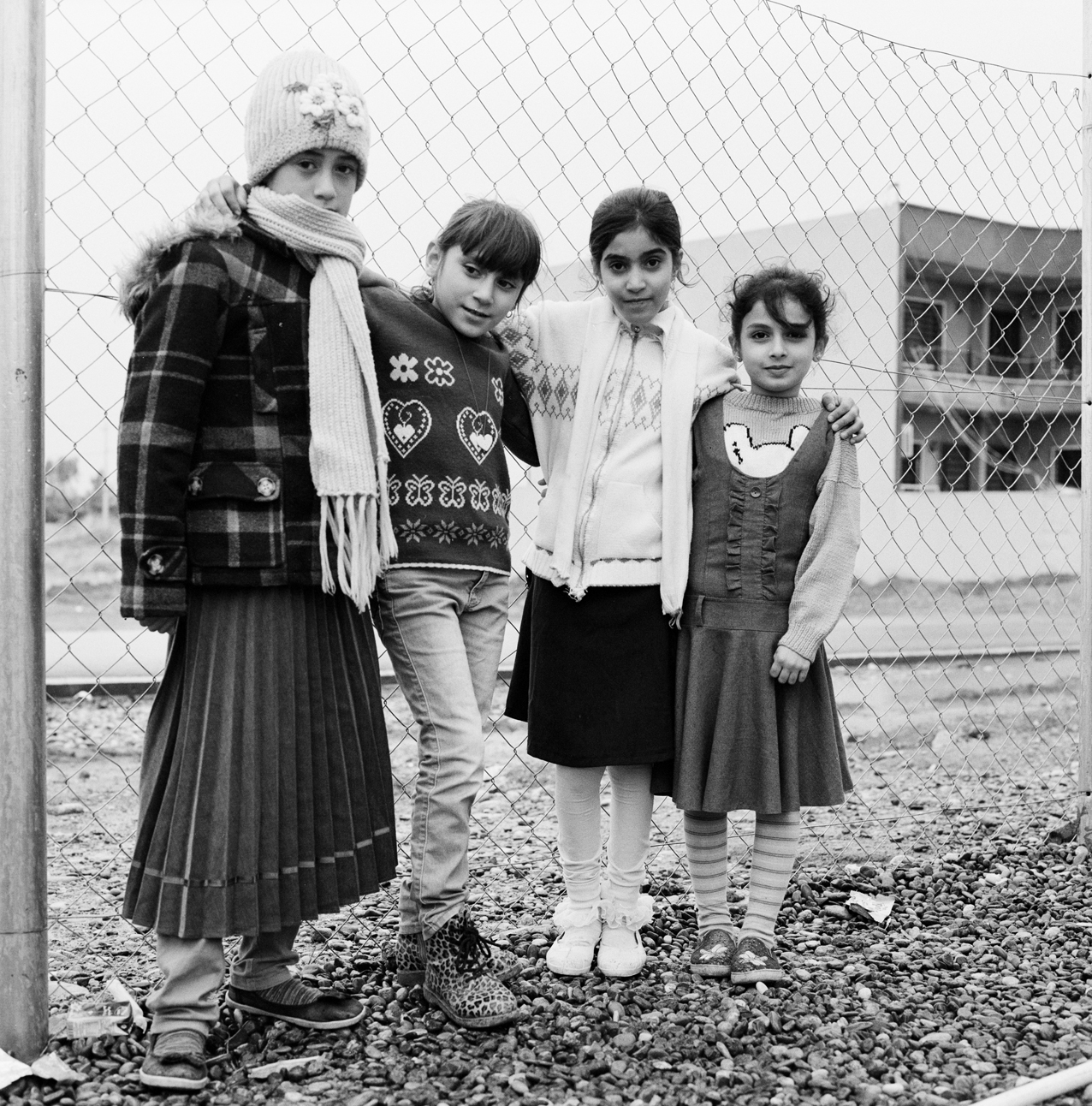
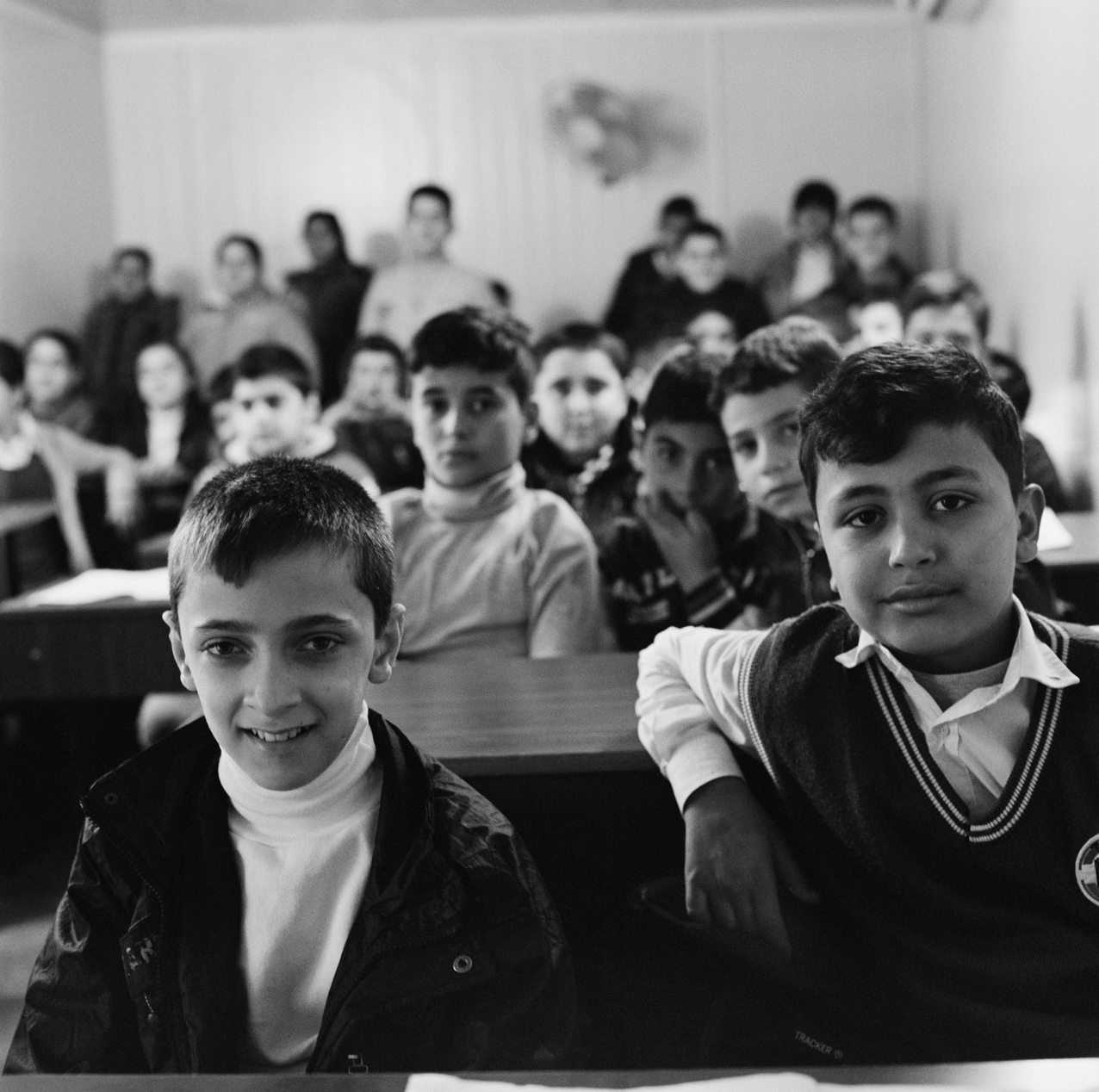
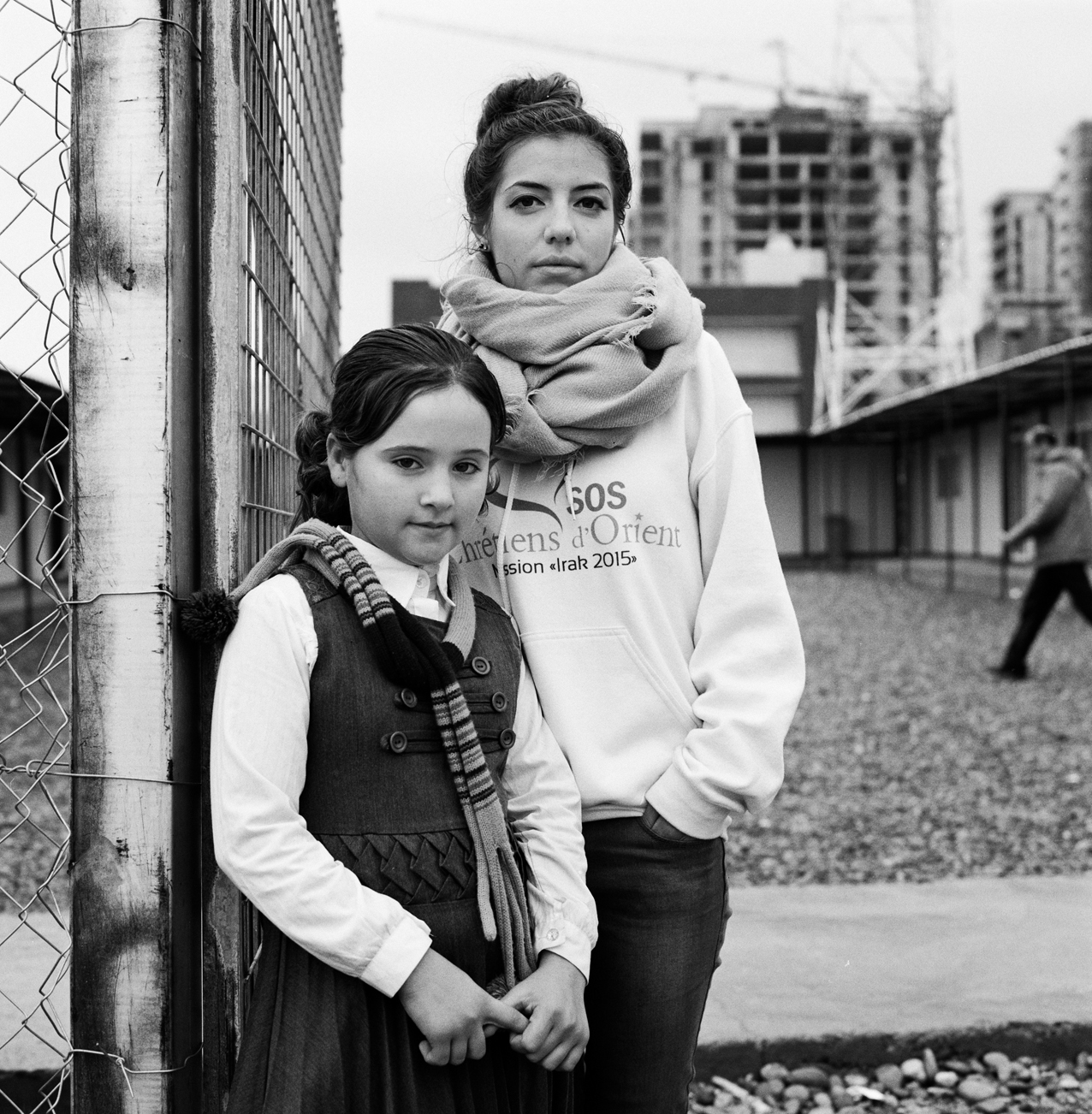
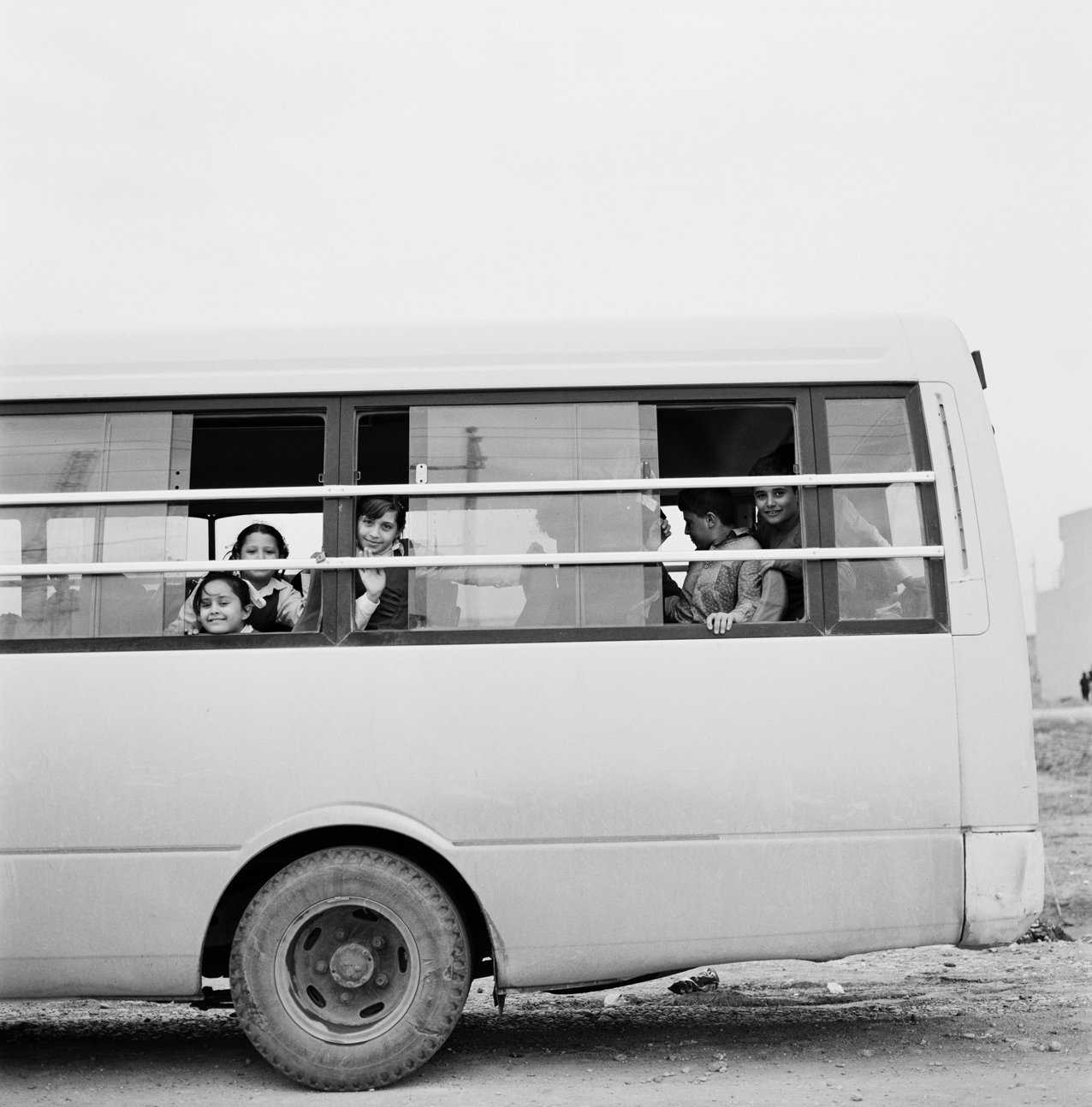
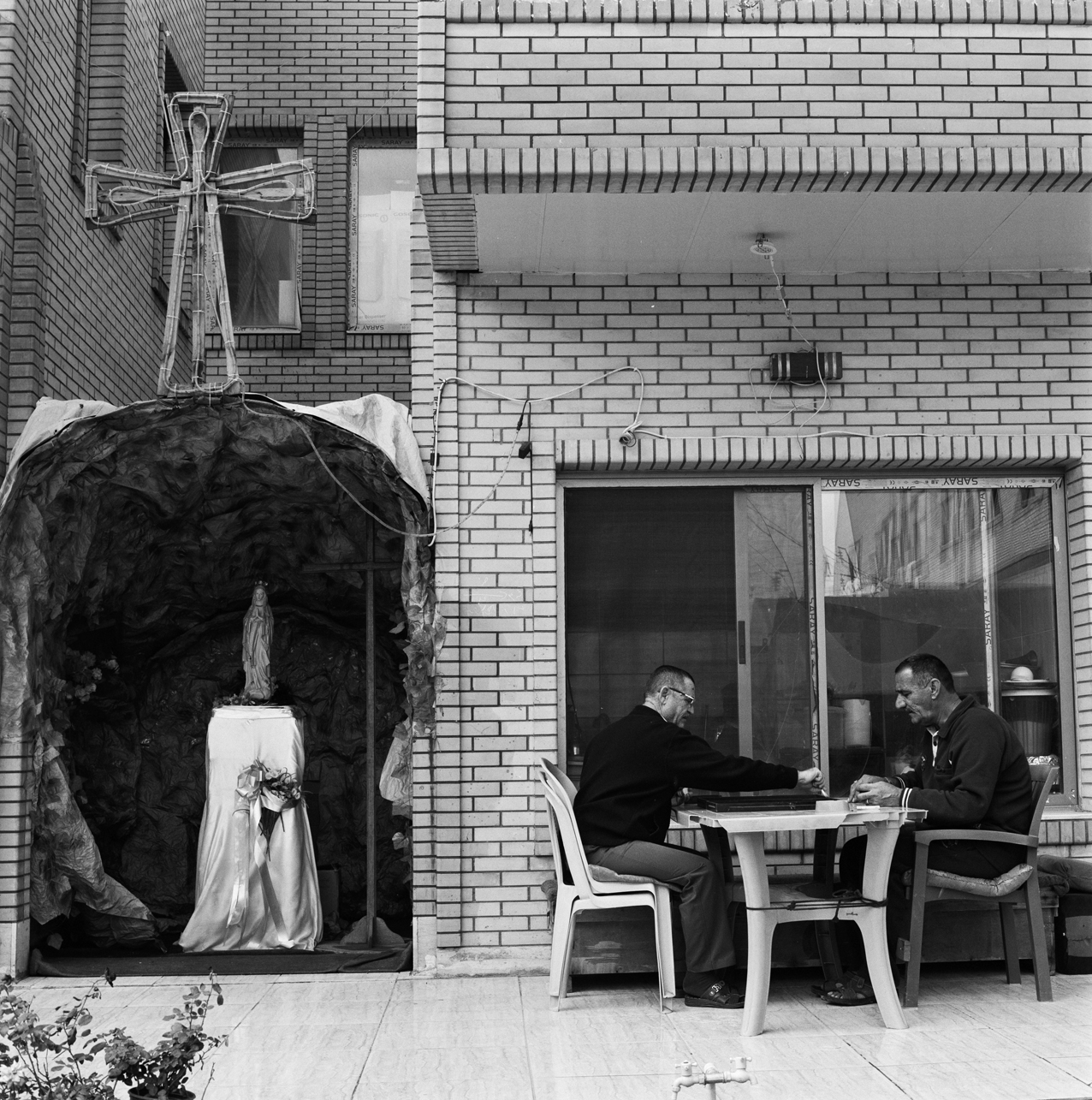
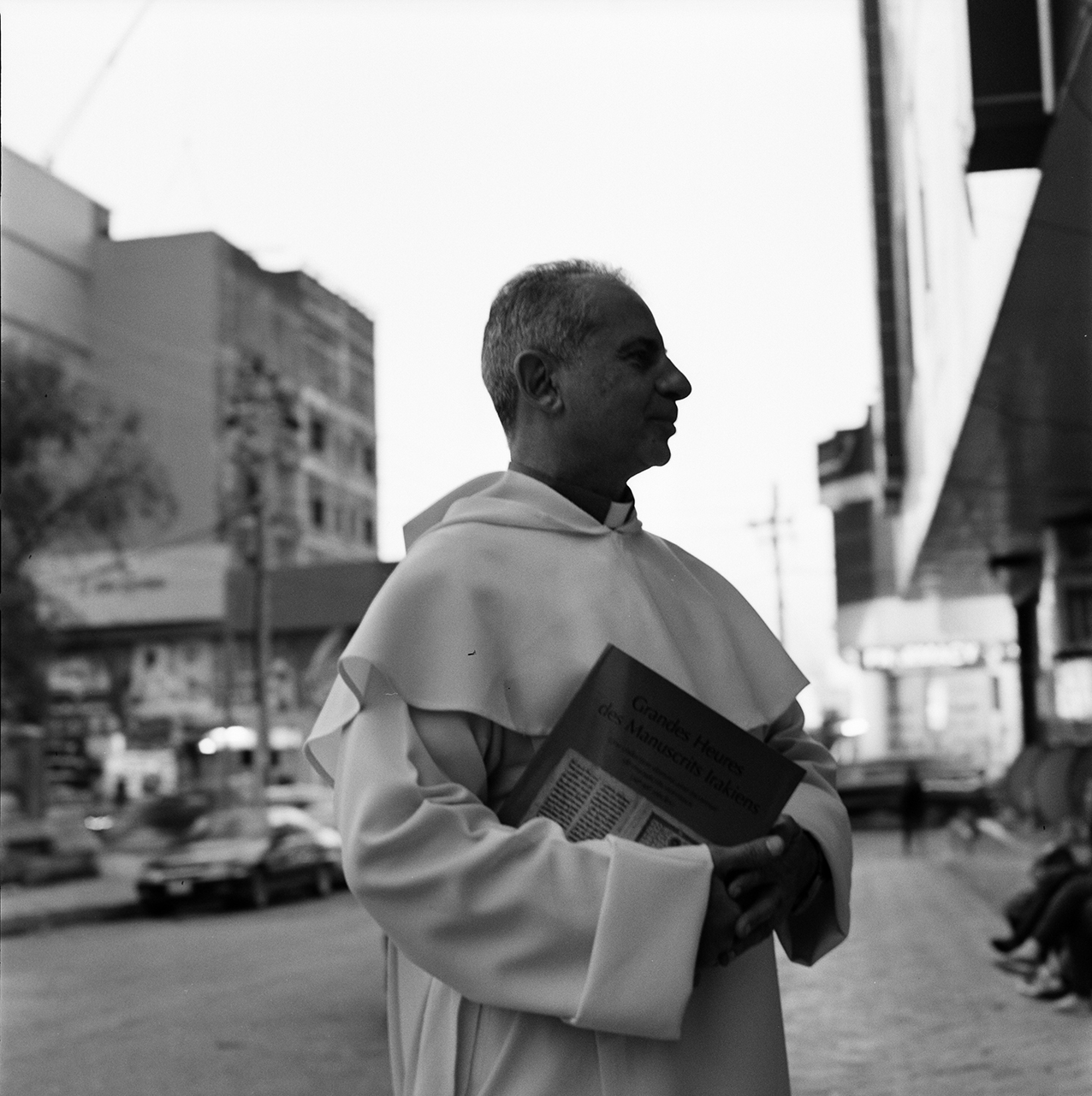
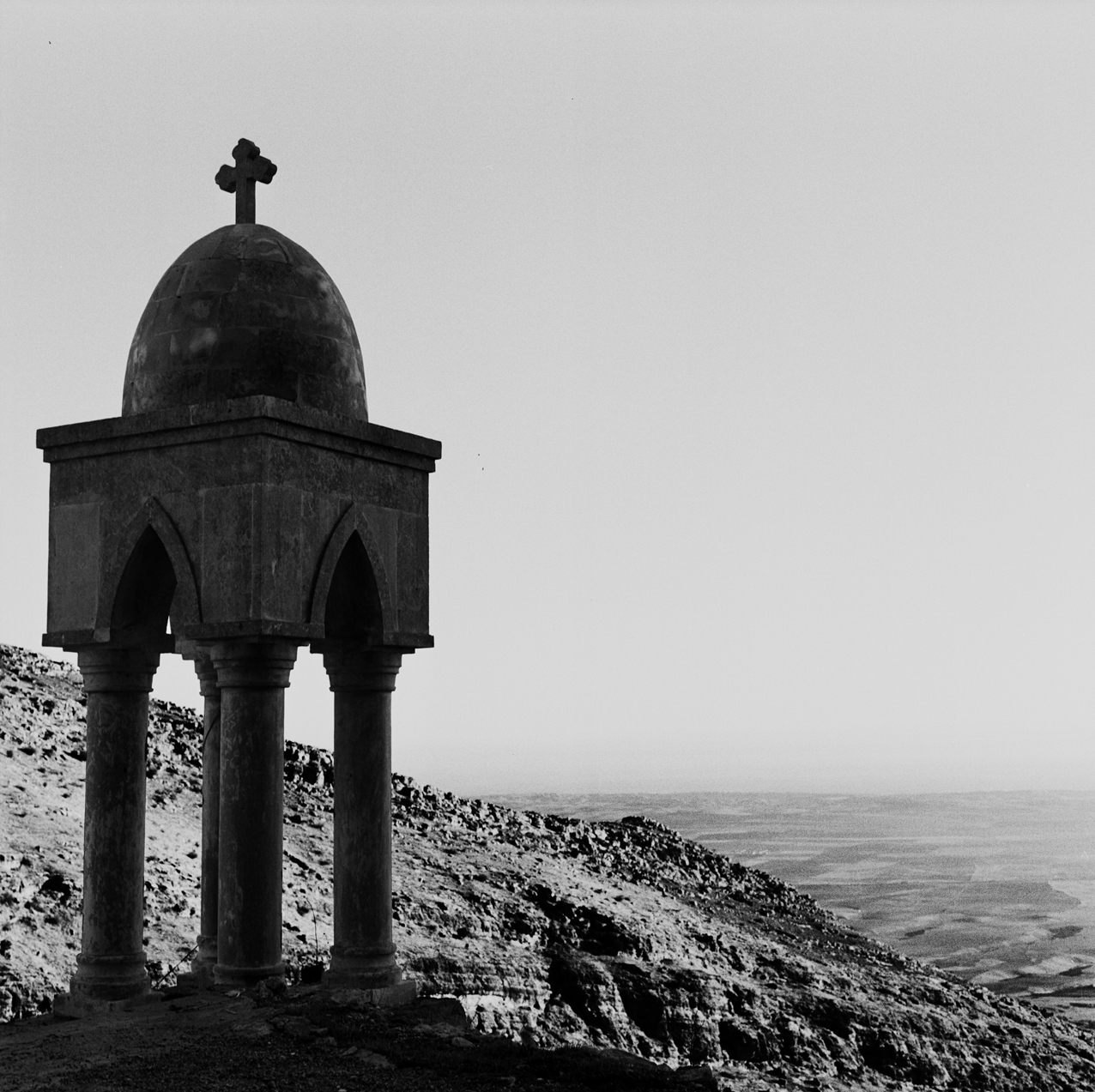
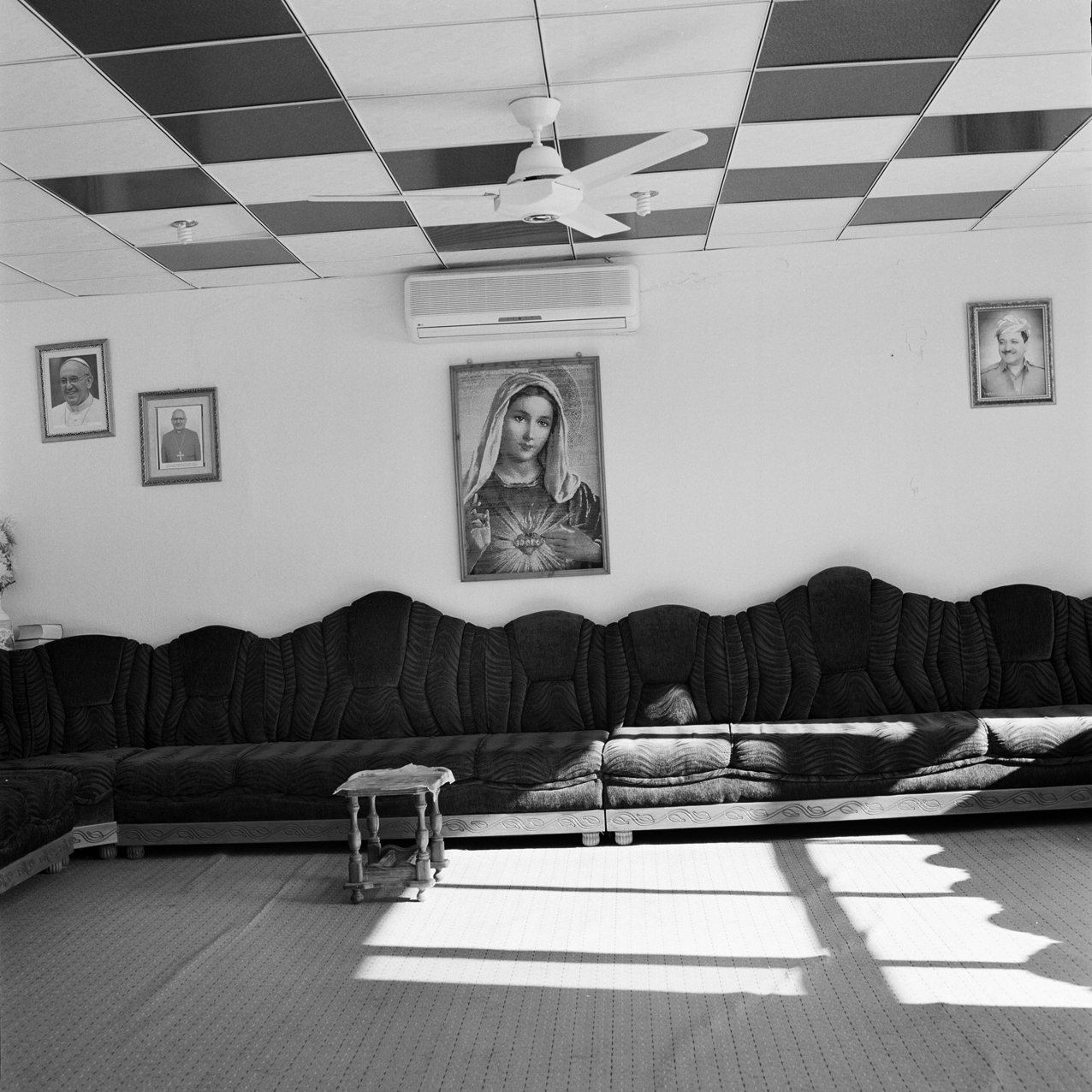
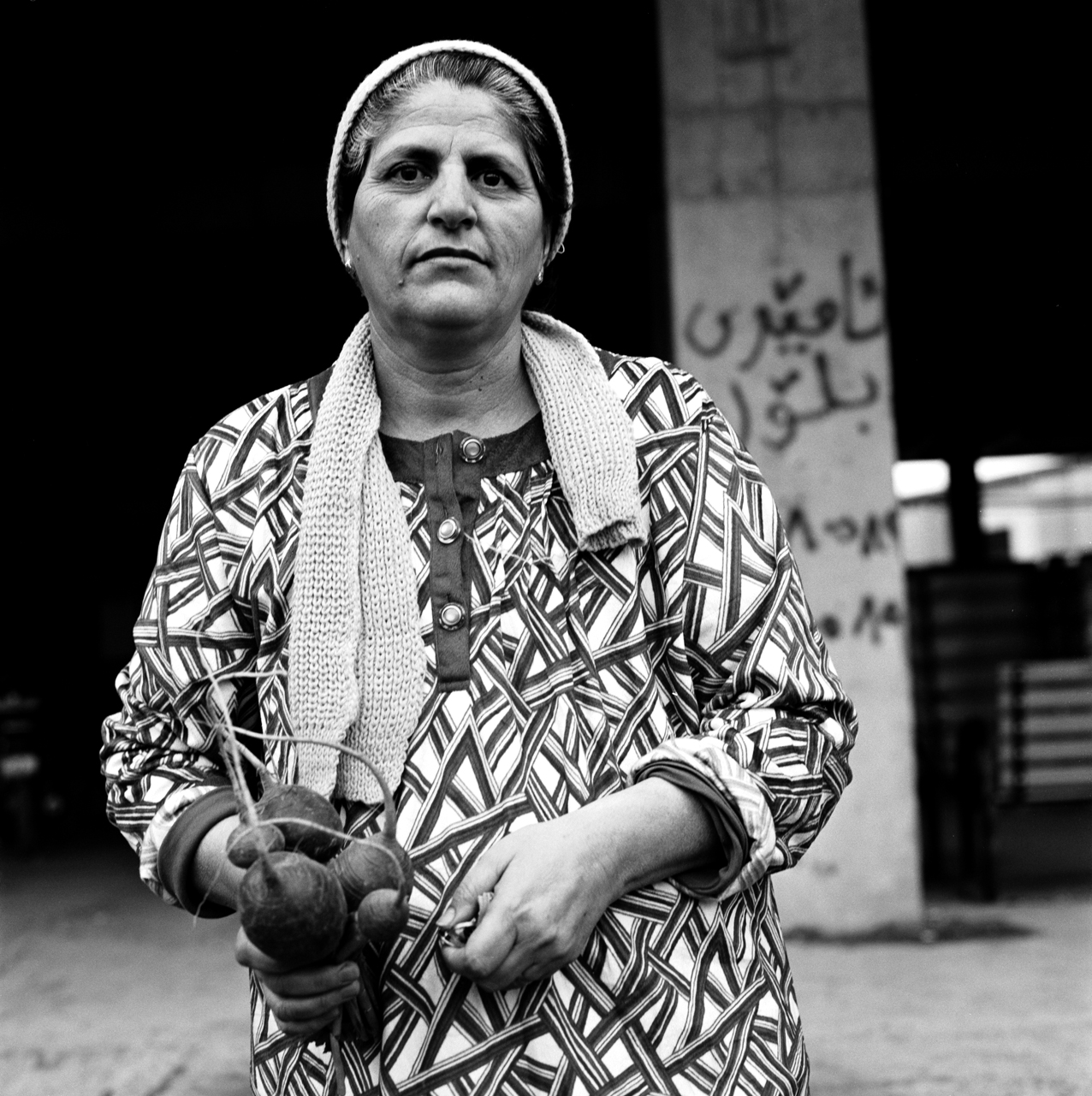
Yezidi couple, AnkawaAmira, Yezidi girl, AnkawaSOS Chretiens d’Orient schoolgirls, AnkawaSOS school of Saints Benham and SaraSOS school Sami & MiriamSOS Chretiens d’Orient school girlsSOS Chretiens d’Orient school classroomSOSCO French volunteer Blandine & AmiraMeeting with the Christian FamiliesChristian family at home in AnkawaFrench volunteers and KC with Yezidi FamilyChristian Boys Benham & Ronny on bikeAnkawa yezidi villageAnkawa yezidi villageAnkawa yezidi village womenAnkawa yezidi Amira school uniform Ankawa yezidi Sara Ali, her daughter Kunav & baby BrahimAnkawa schoolbusErbil landscapeAnkawa joueurs d’échecsAnkawa Father Najeeb, Dominican priest and archivistAlquosh church mountainsAlquosh official salon with portraits of the Virgin, Pope Francis and Barzani,Al Amal Janette with beetsAl Amal Refugee Camp coffee shopBersawa Camp, Duhoc yezidi young menYezidi siblingsyezidi Seveh doing laundryyezidi children doing homeworkyezidi Fayçal Farhamyezidi Dorgha & baby sisteryezidi familyYezidi Vianne & Ardallanyezidi Randa & Suaad floral dressesyezidi Mahair Hairo sackyezidi Lina & friendsYezidi Fayçal & DariTurkoman Hyam & ShaddahTurkoman father & childTurkoman familypanorama Duhoc landscapeBercivi camp landscapePano Bercivi camp Father JohnnyHussein playing